ESTORIL APARTMENT
Building a new identity.
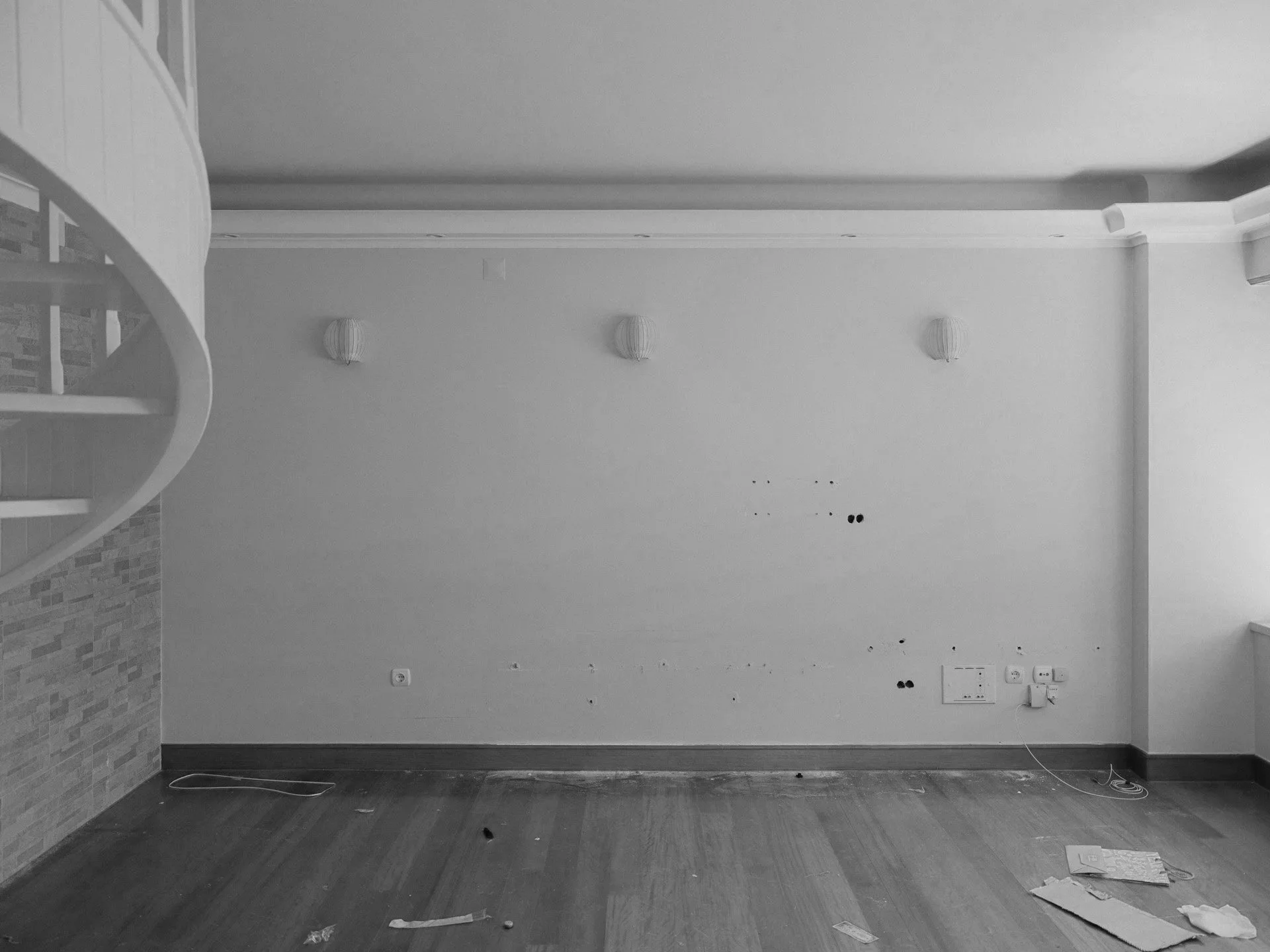
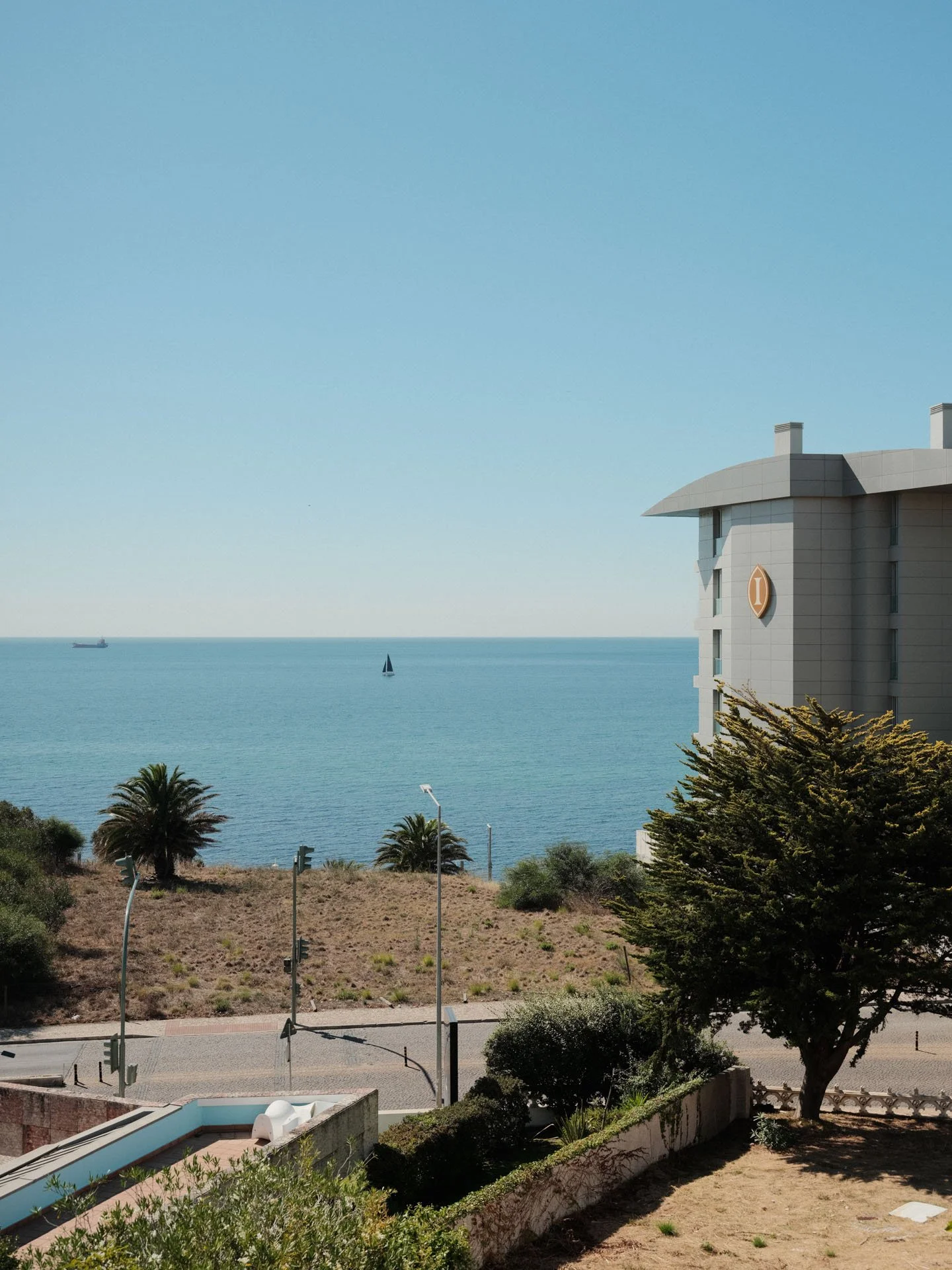
The client purchased a duplex apartment in Estoril, with a generous terrace and a privileged sea view. However, the interior was outdated and in need of extensive renovation to bring it up to contemporary standards.
The challenge began right at the start of the project. There were several ideas for transforming and enhancing the interior spaces, but the limitations of the existing structure, areas, ceiling height, and position of the internal staircases constituted significant programmatic contingencies. These constraints were viewed not as obstacles, but as stimuli for a more conscious and rigorous architectural response.
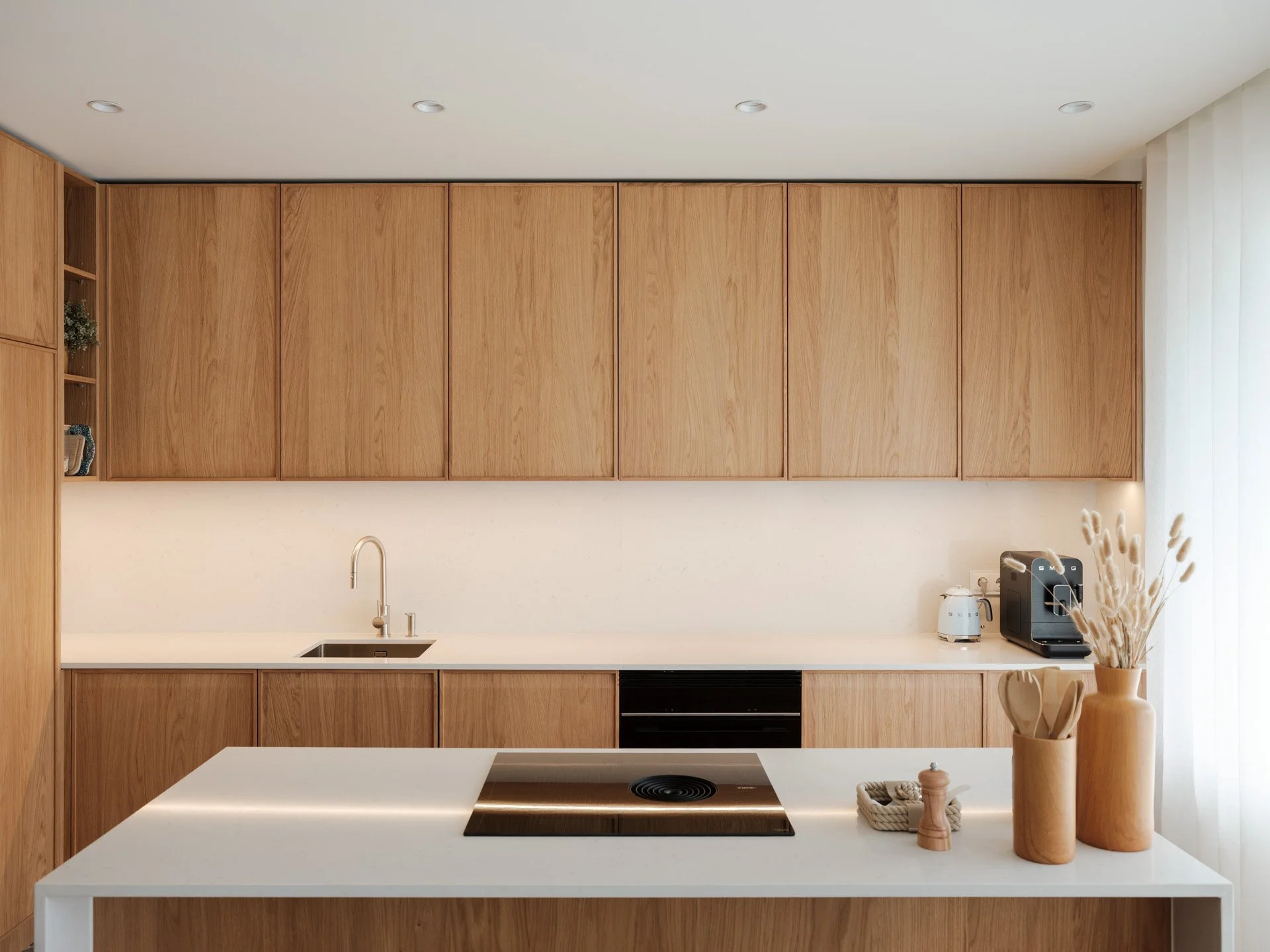
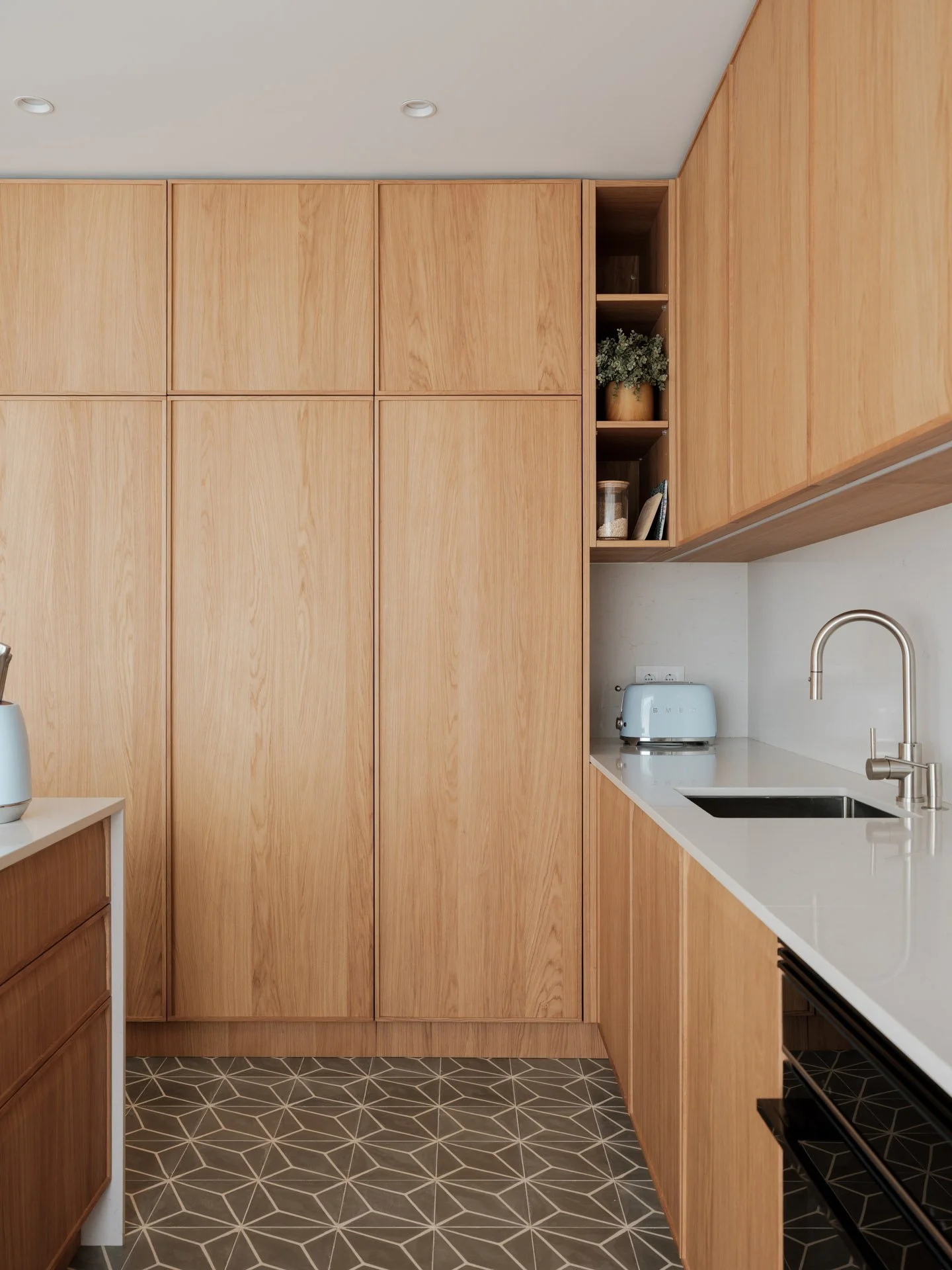
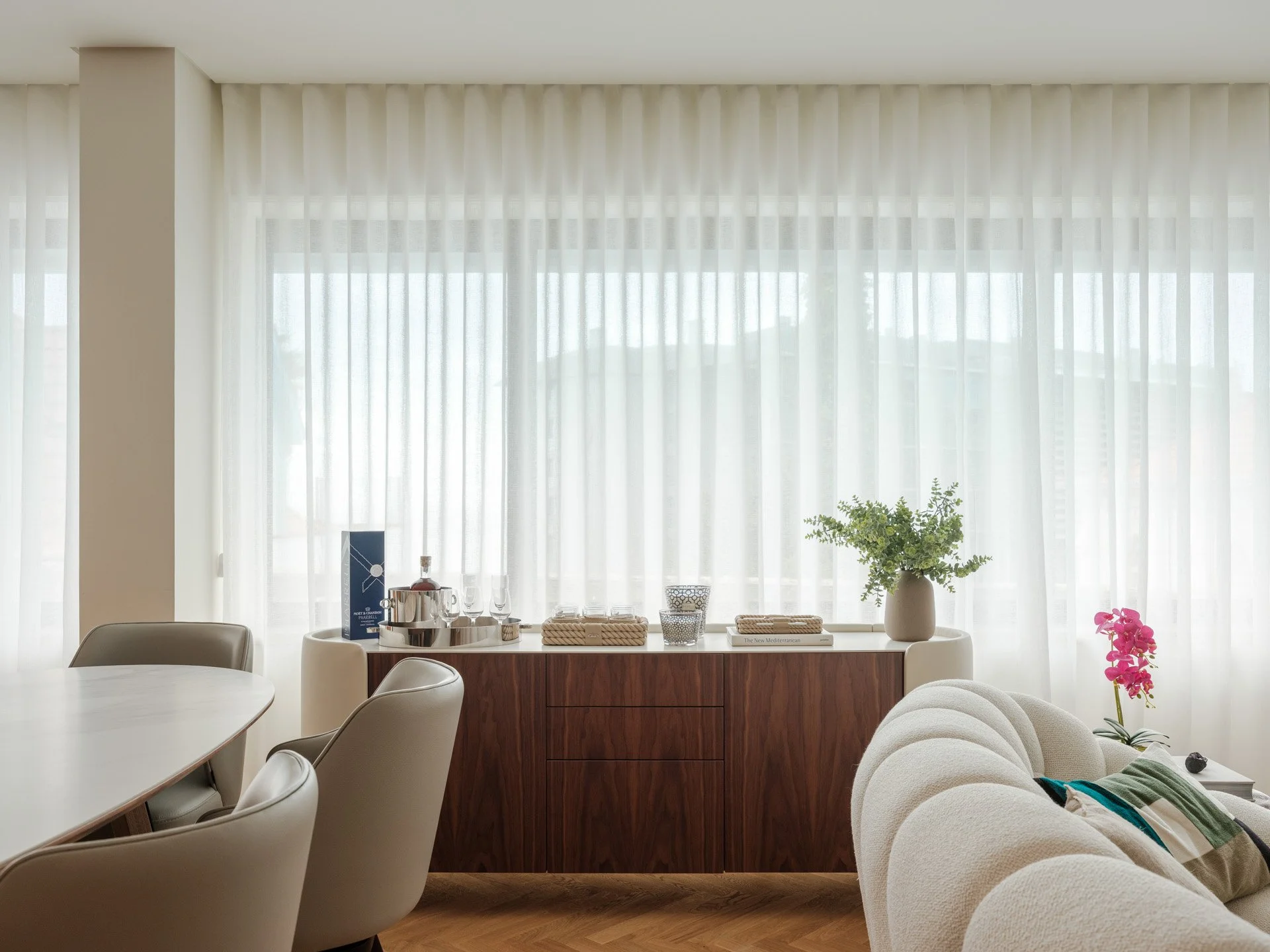
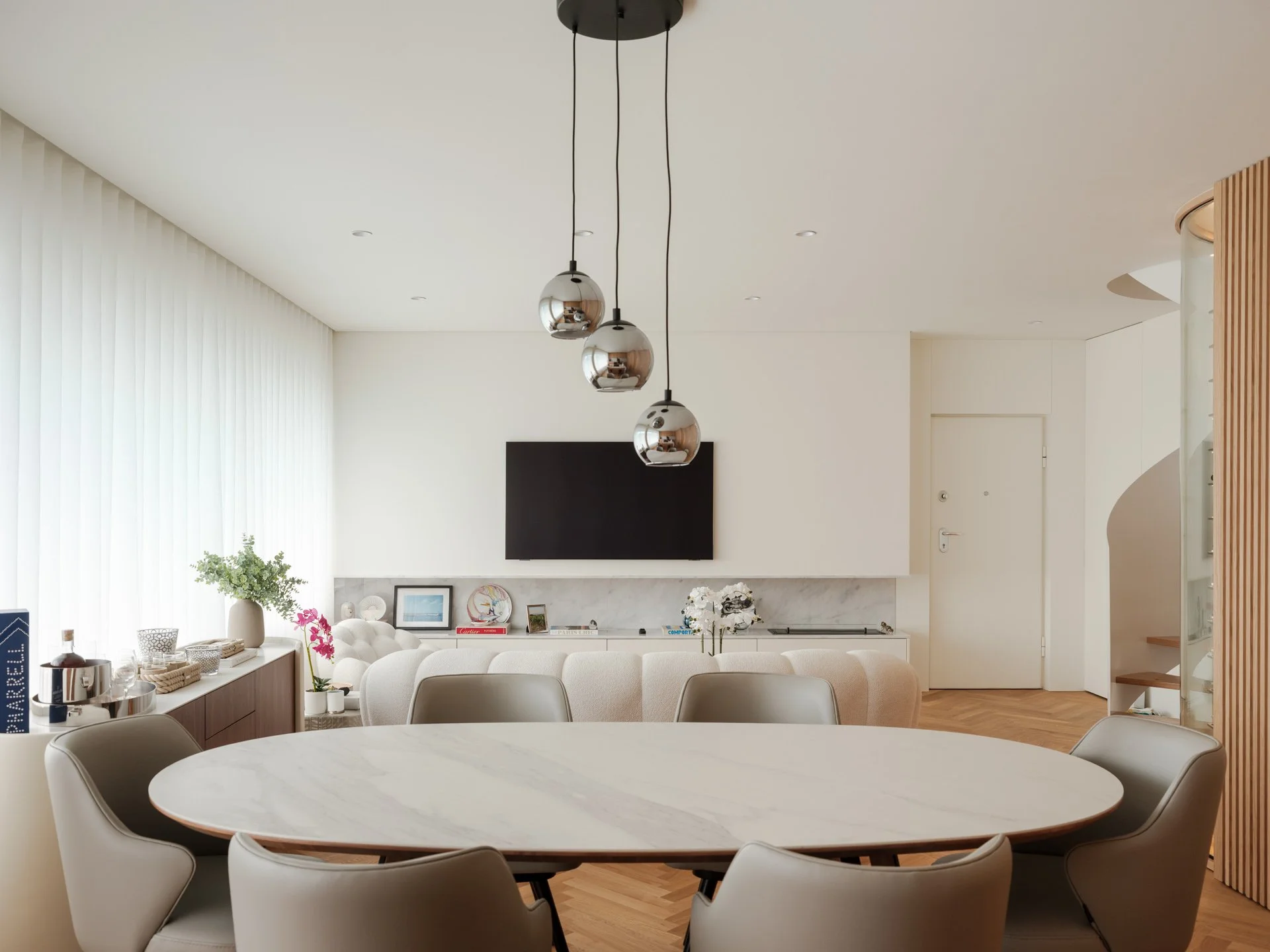
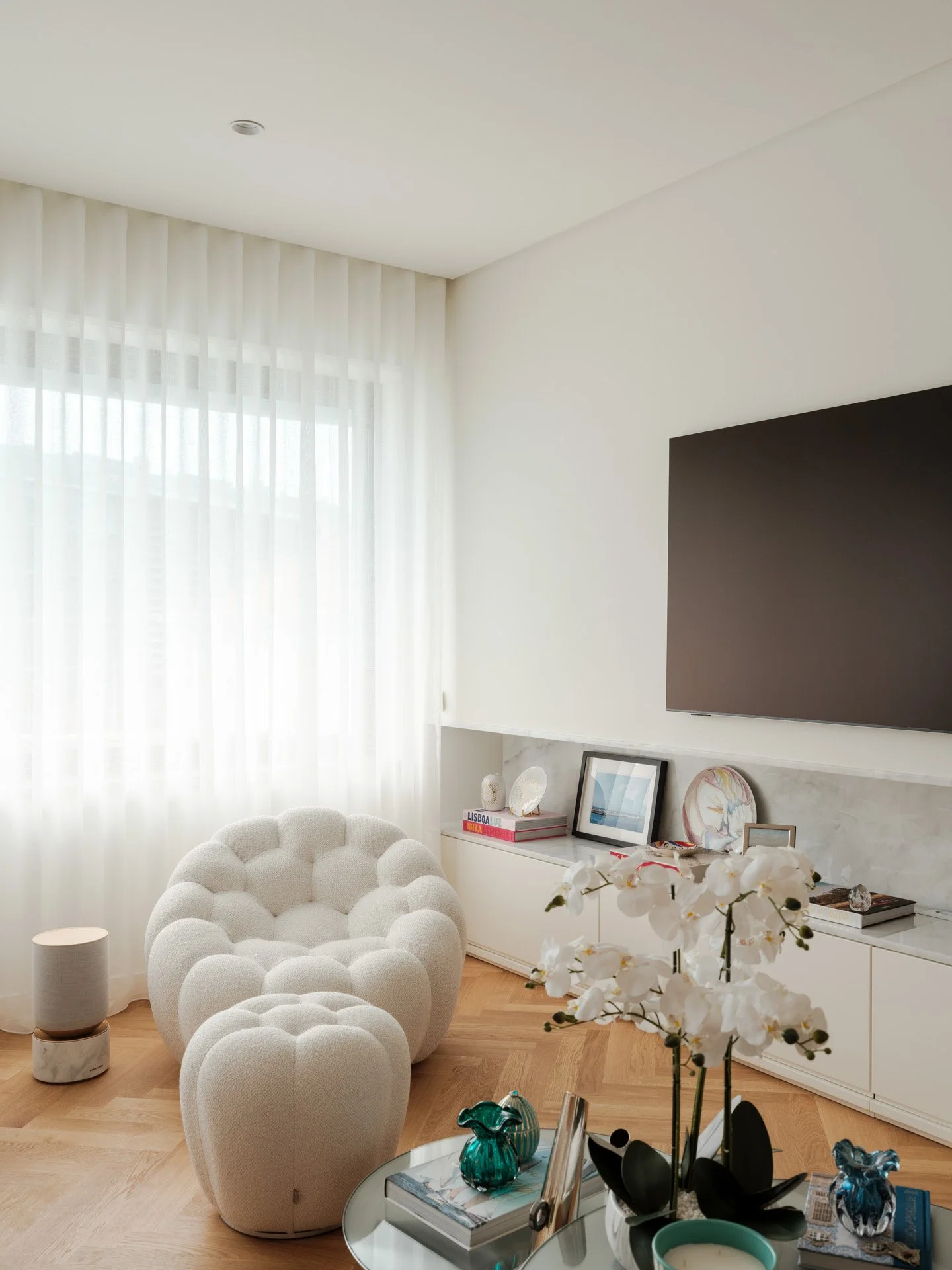
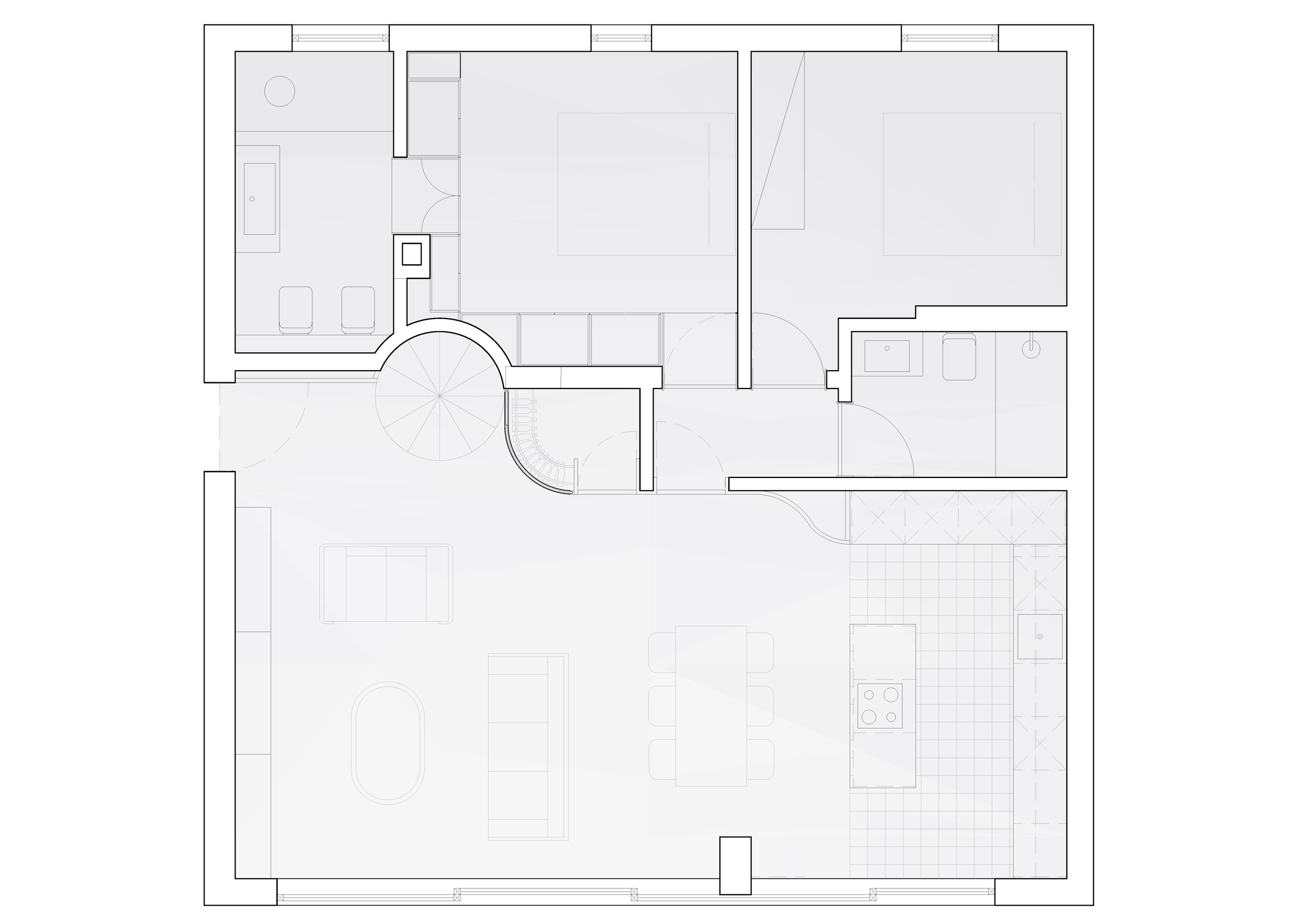
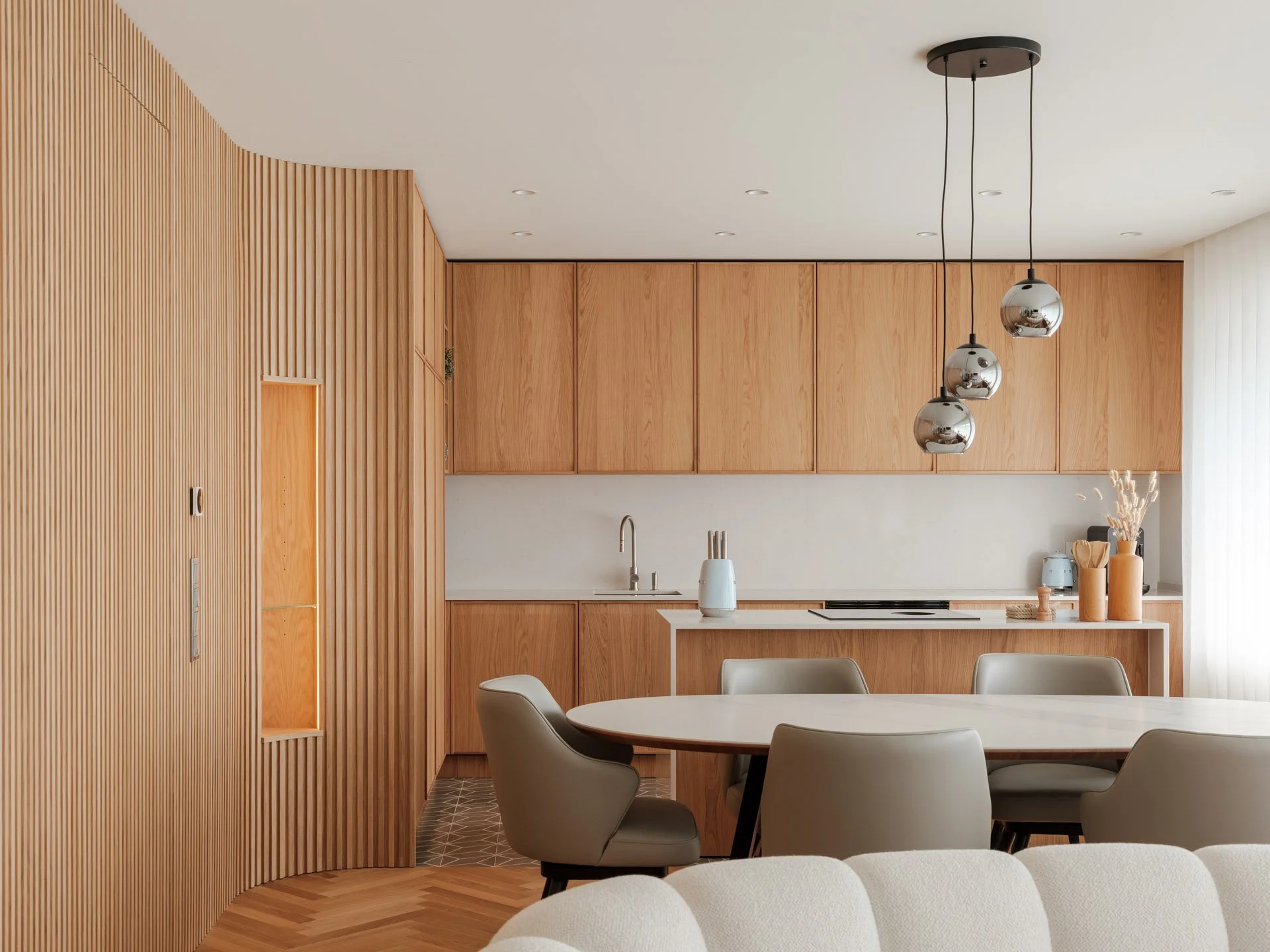
The time spent developing the project and understanding the client's needs allowed us to achieve a clear solution in the organization of the space, preserving the existing structure and openings, and giving the property a completely renewed identity. The entrance, previously closed and rather small, has given way to a continuous space that connects the living and cooking areas, enhancing the large window overlooking the sea.
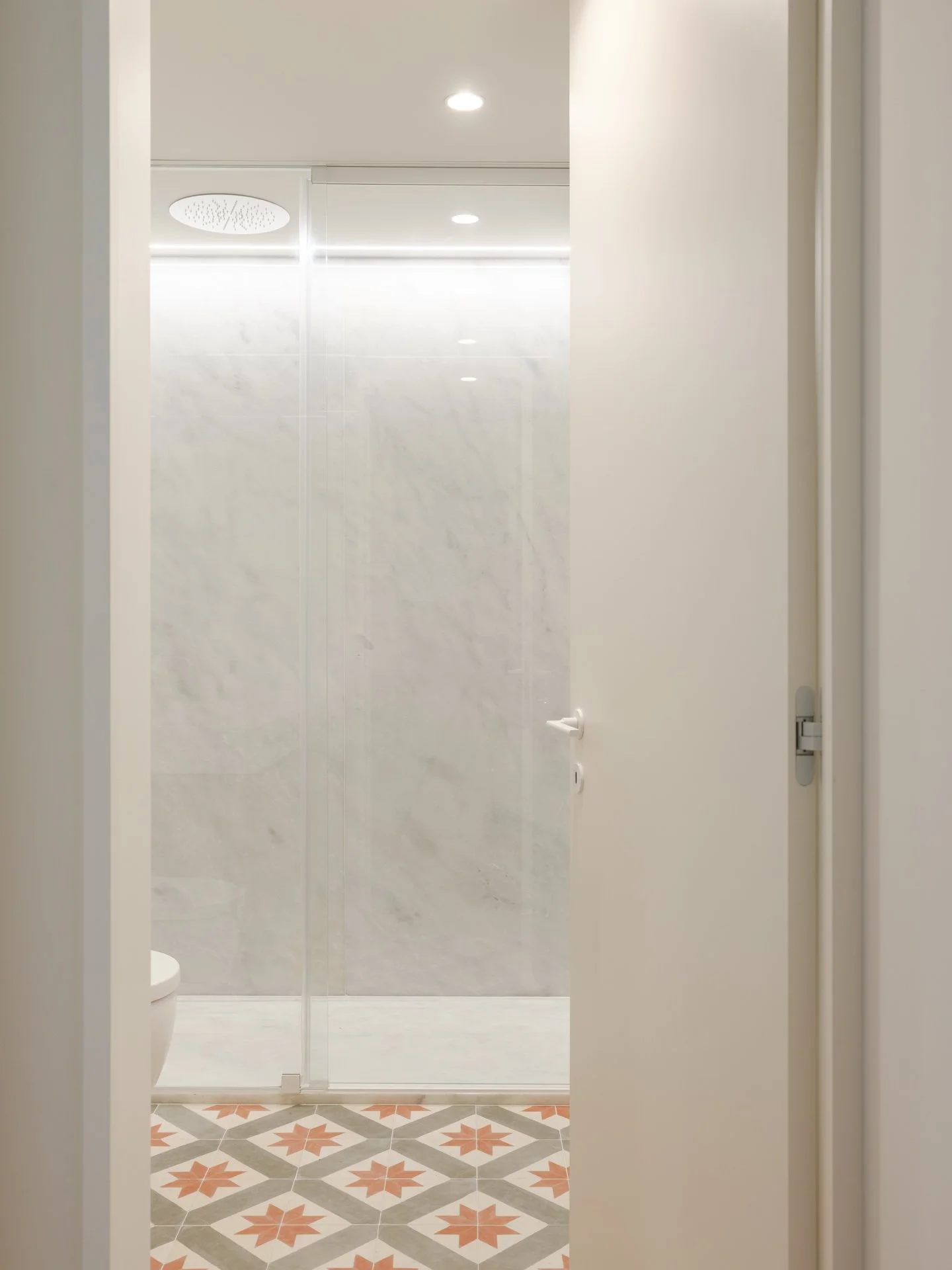
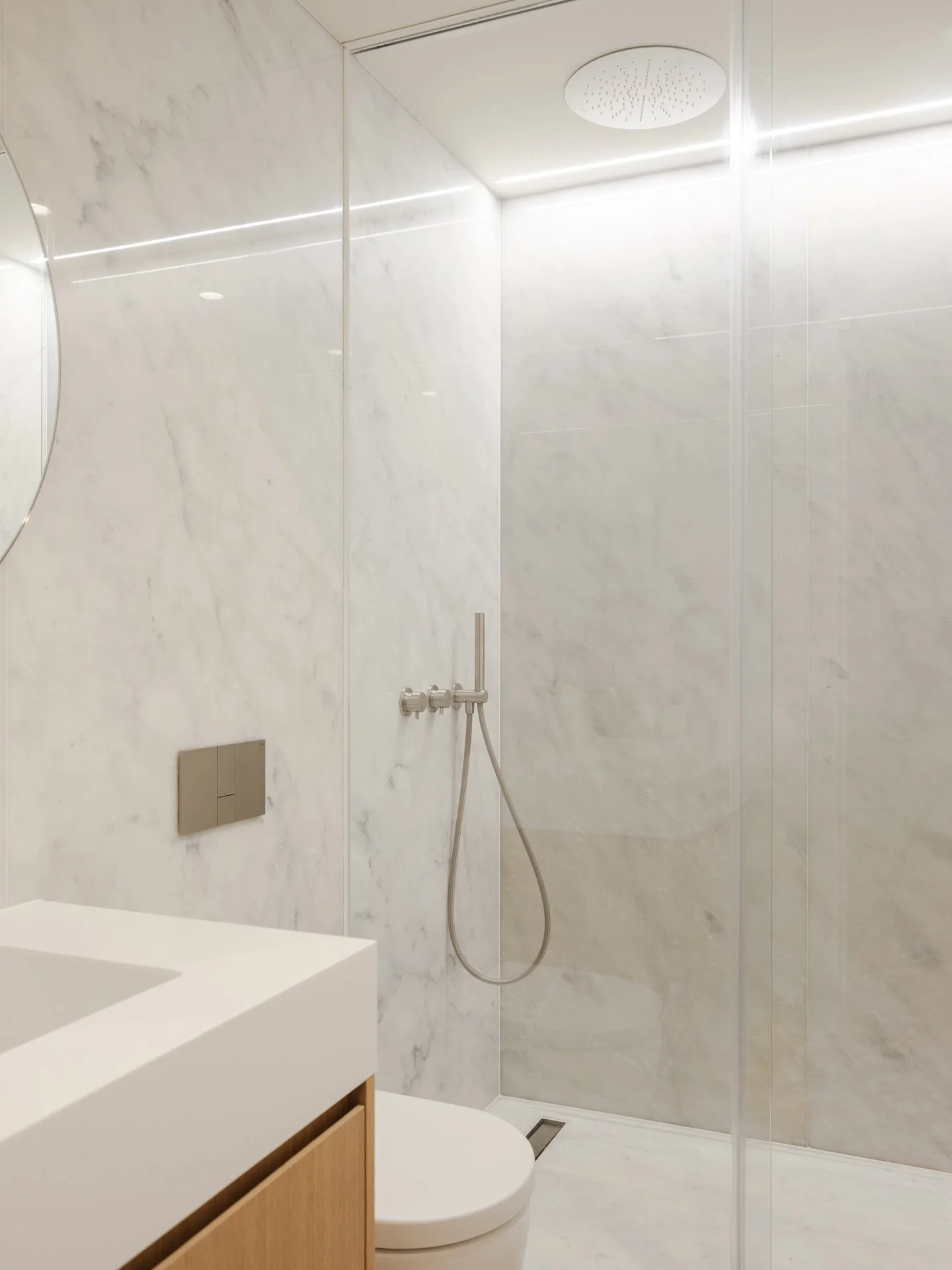
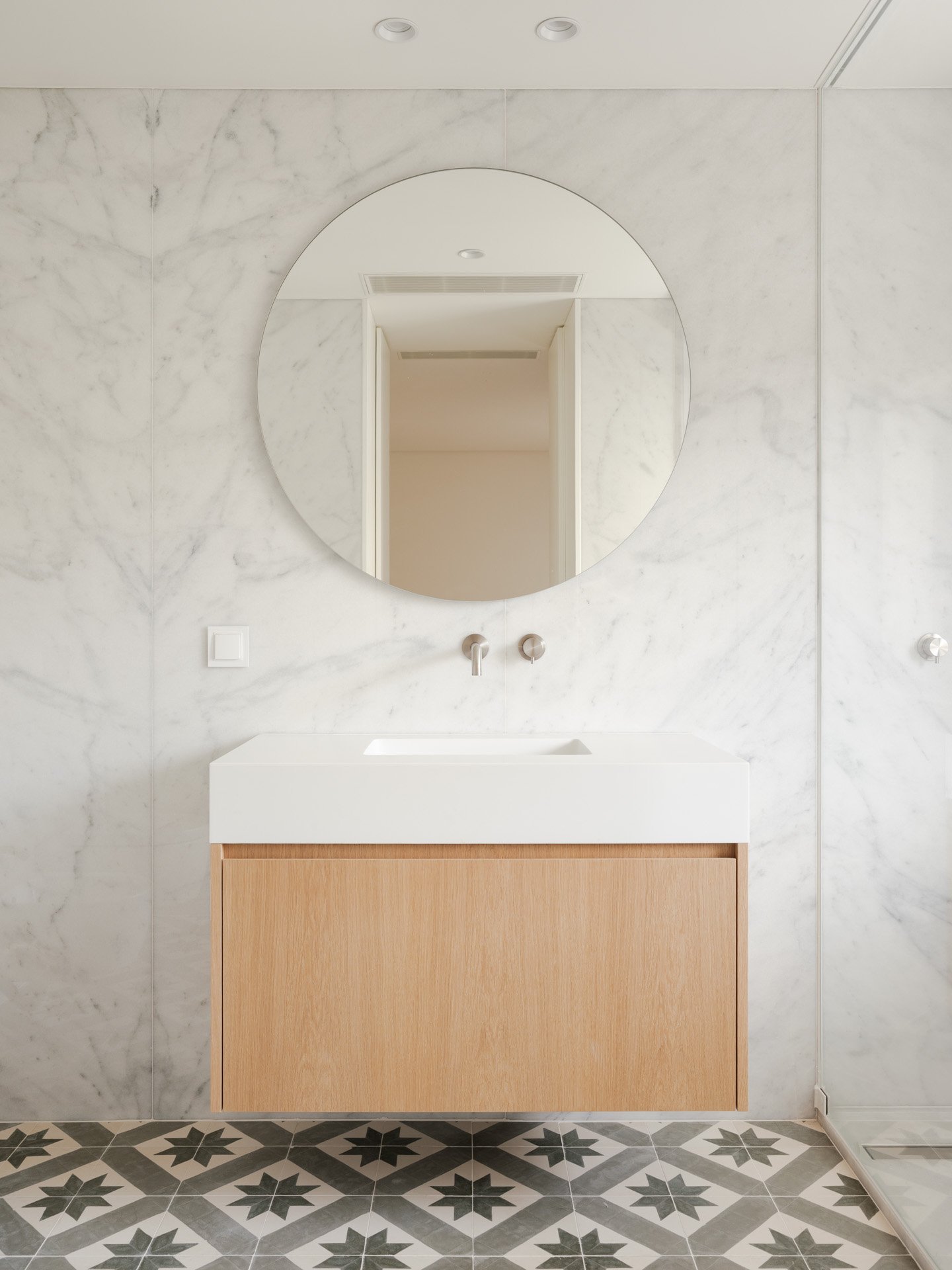
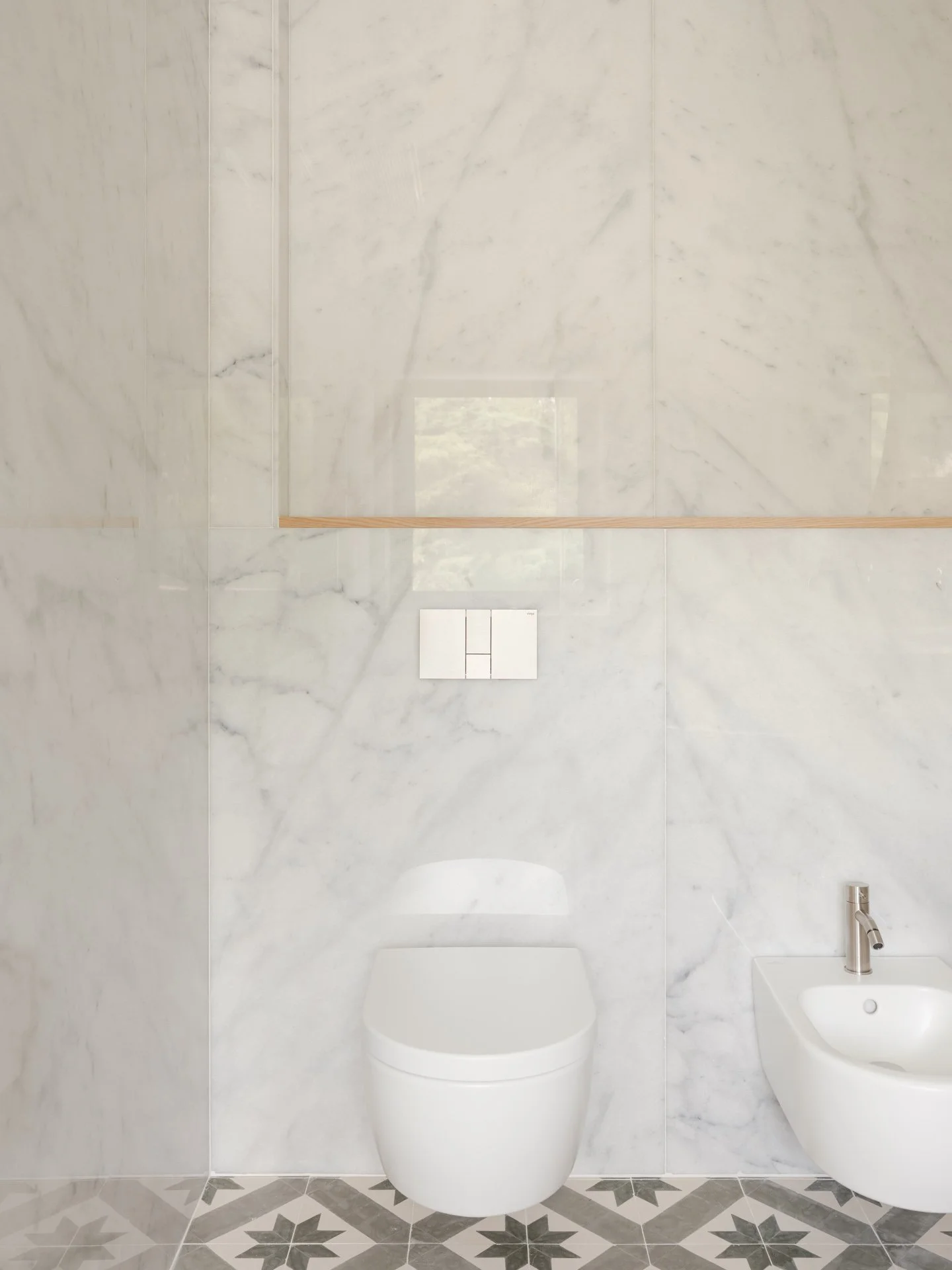
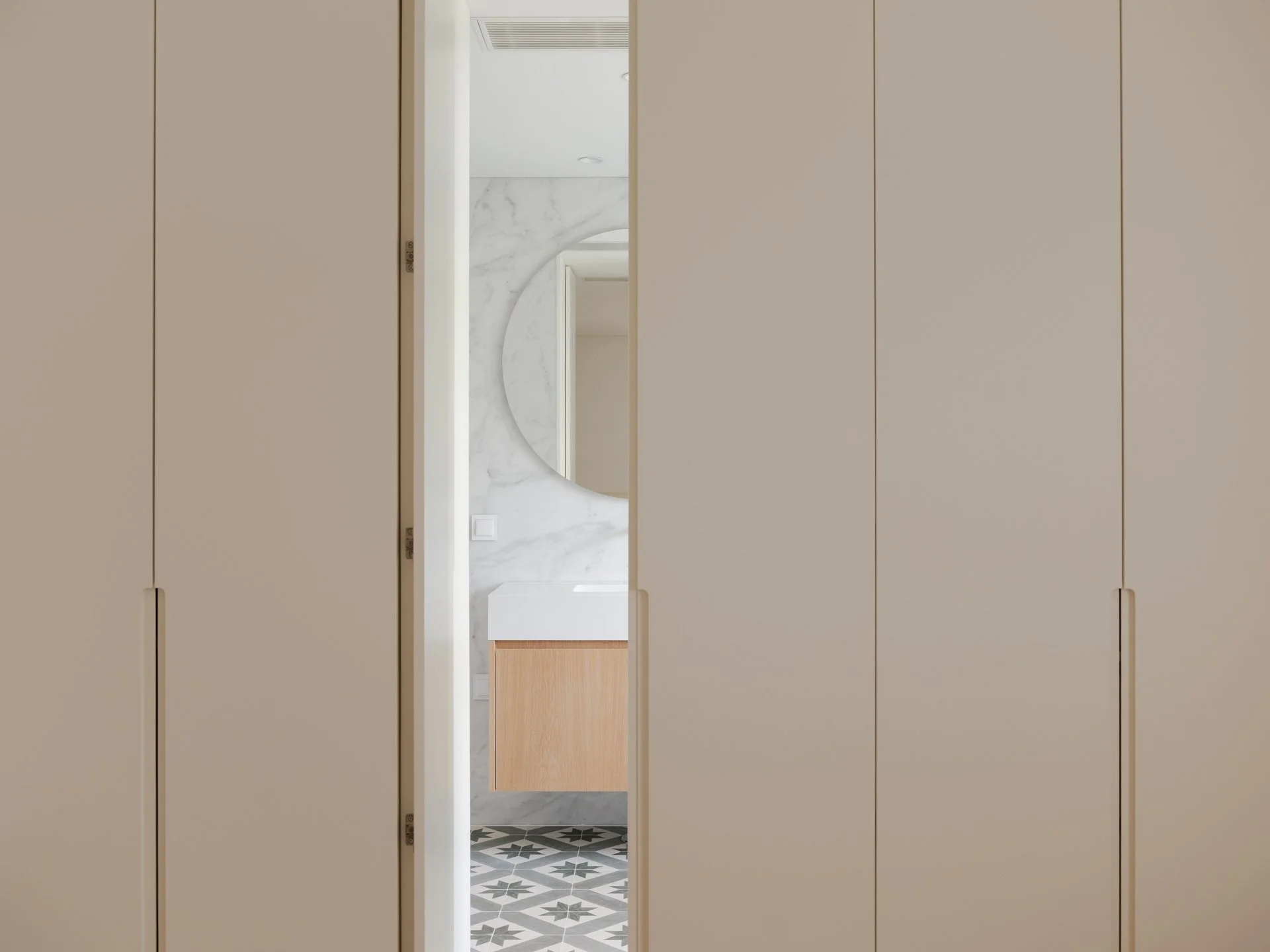
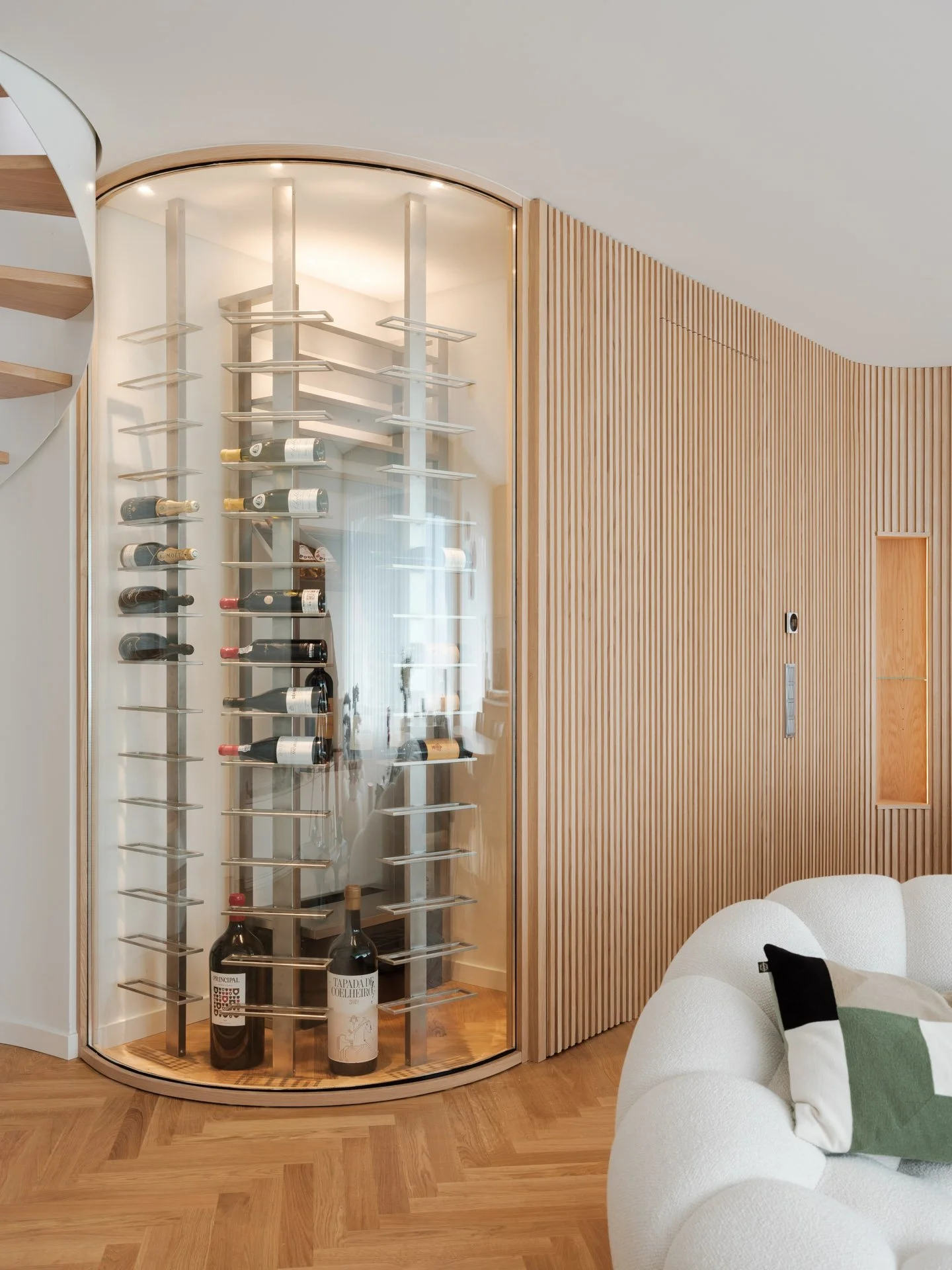
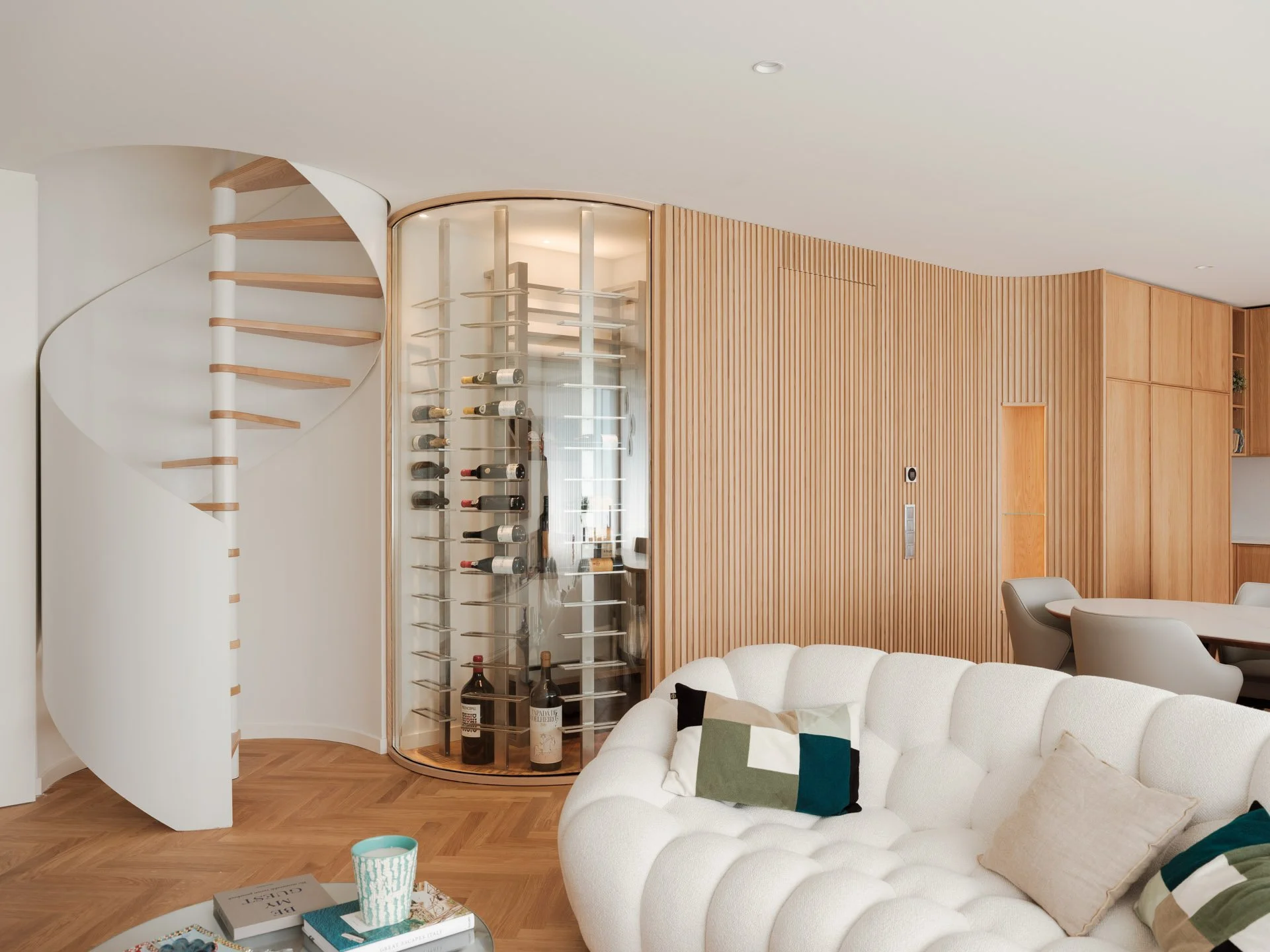
On the right side, the technical infrastructure has been carefully concealed, a new vertical access to the upper floor has been created, and a wine cellar with curved glass, covered with oak slats, has been integrated, establishing a direct dialogue with the kitchen located at the back. Access to the two bedrooms is concealed by the same wooden slats, while the two bathrooms have been carefully positioned to ensure functionality without compromising the essential usable area.
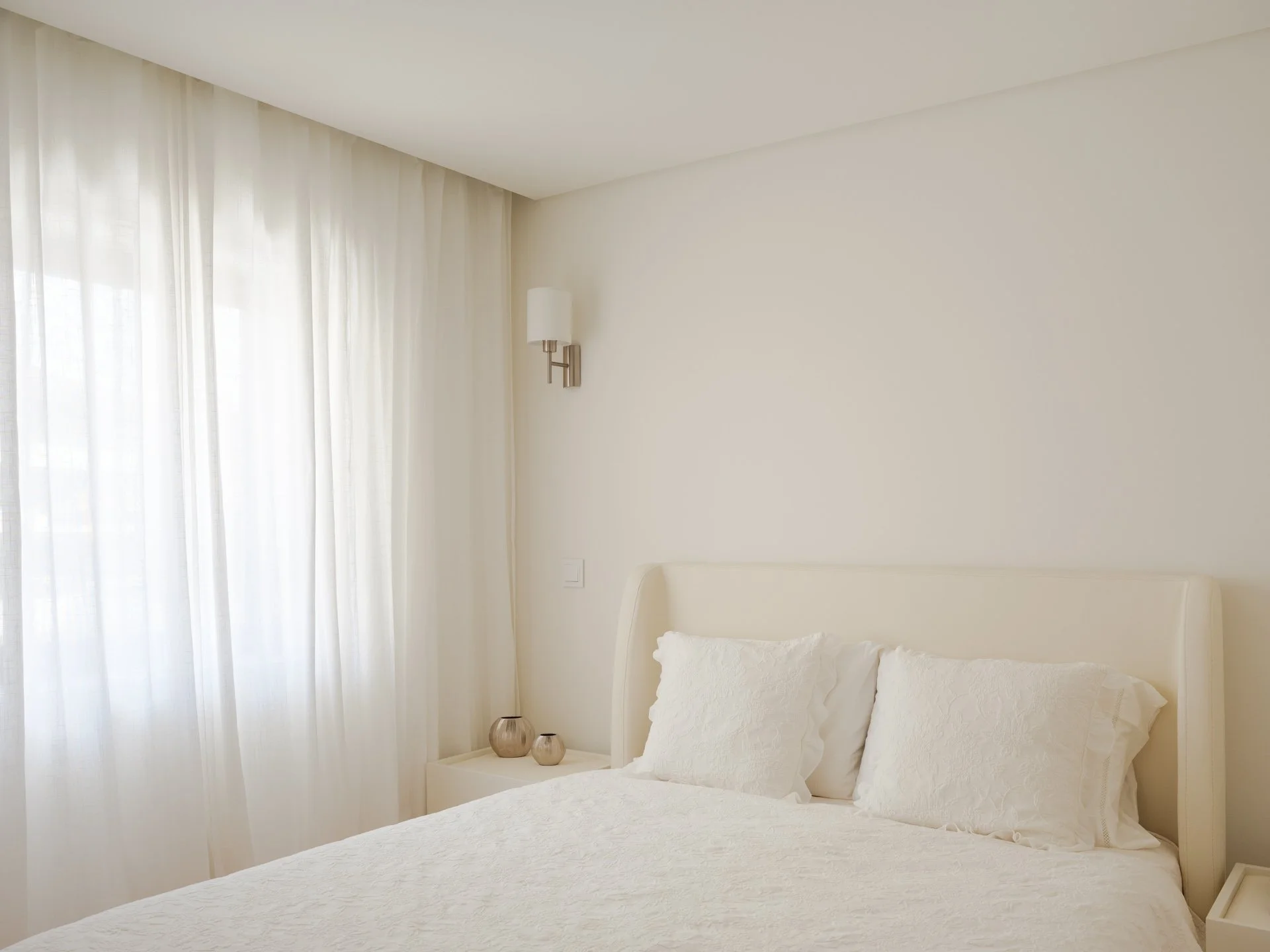
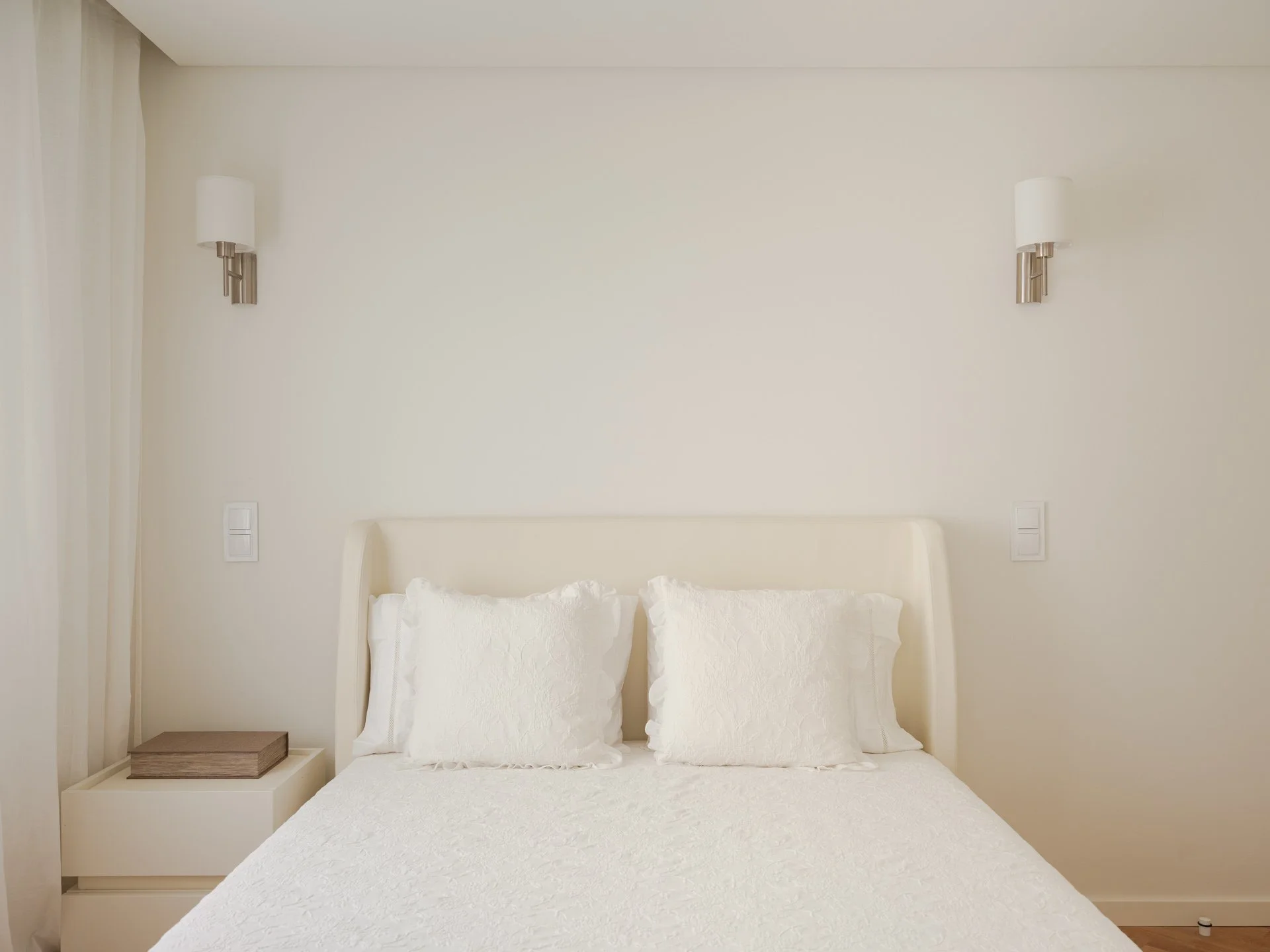
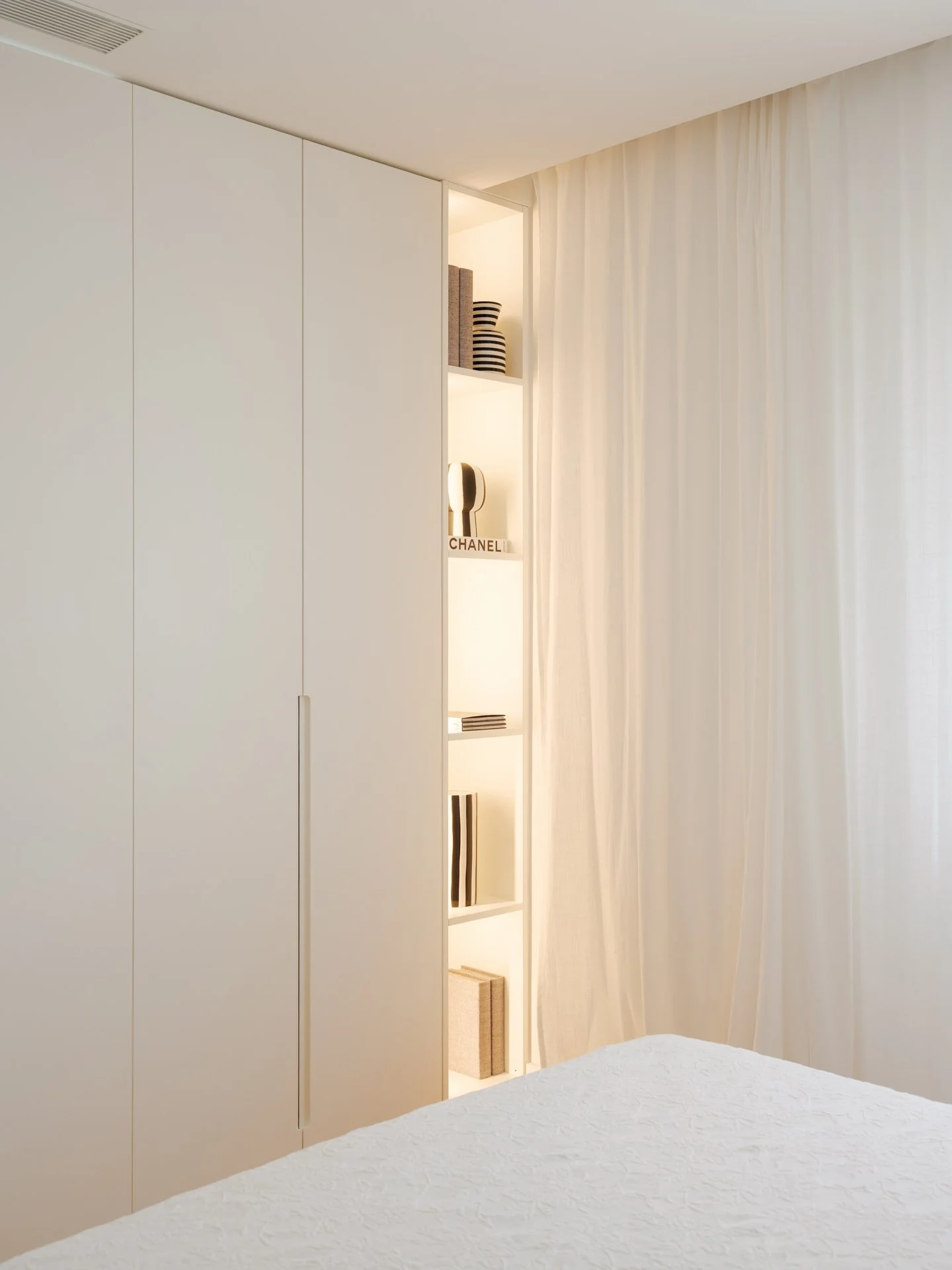
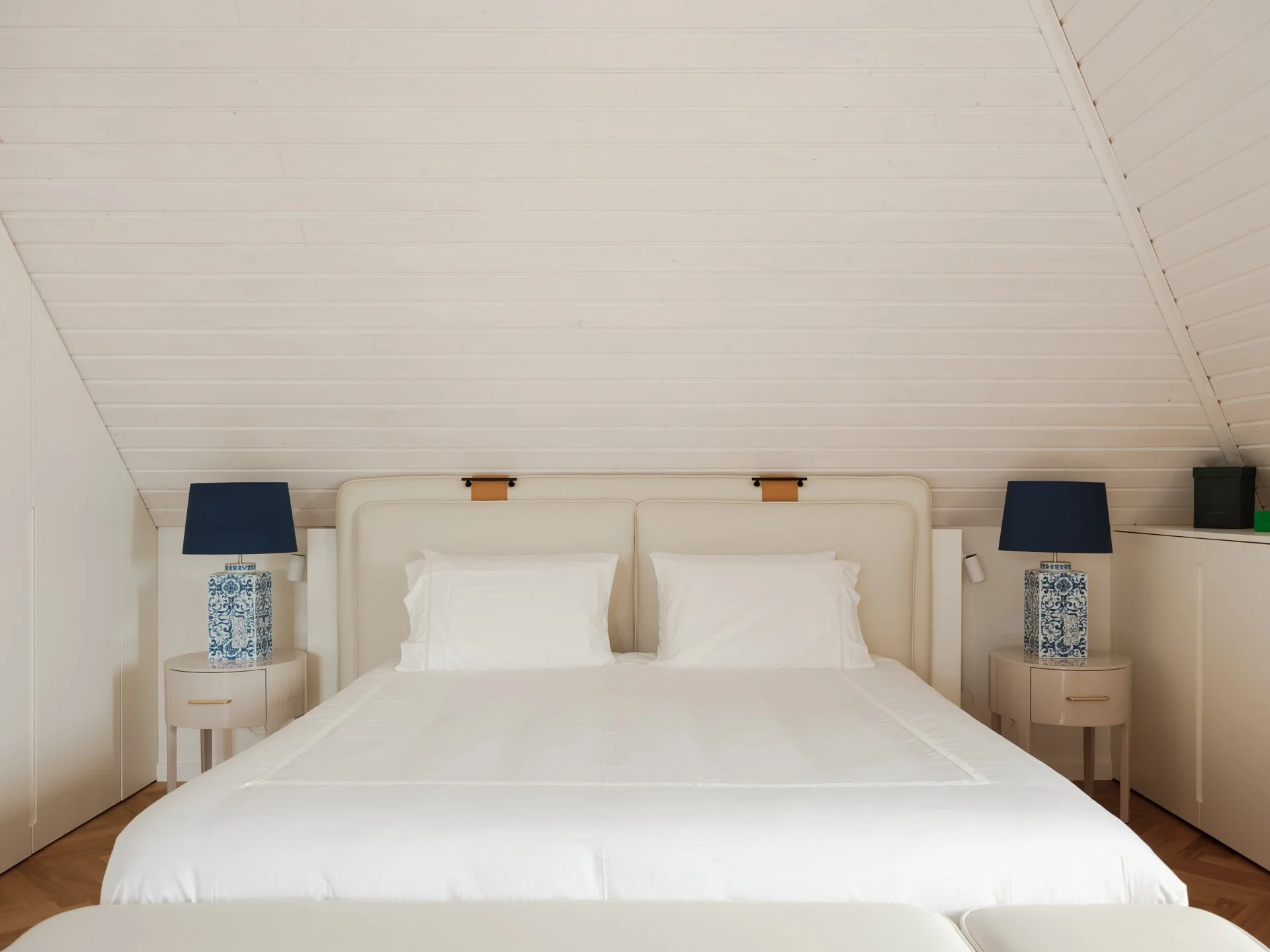
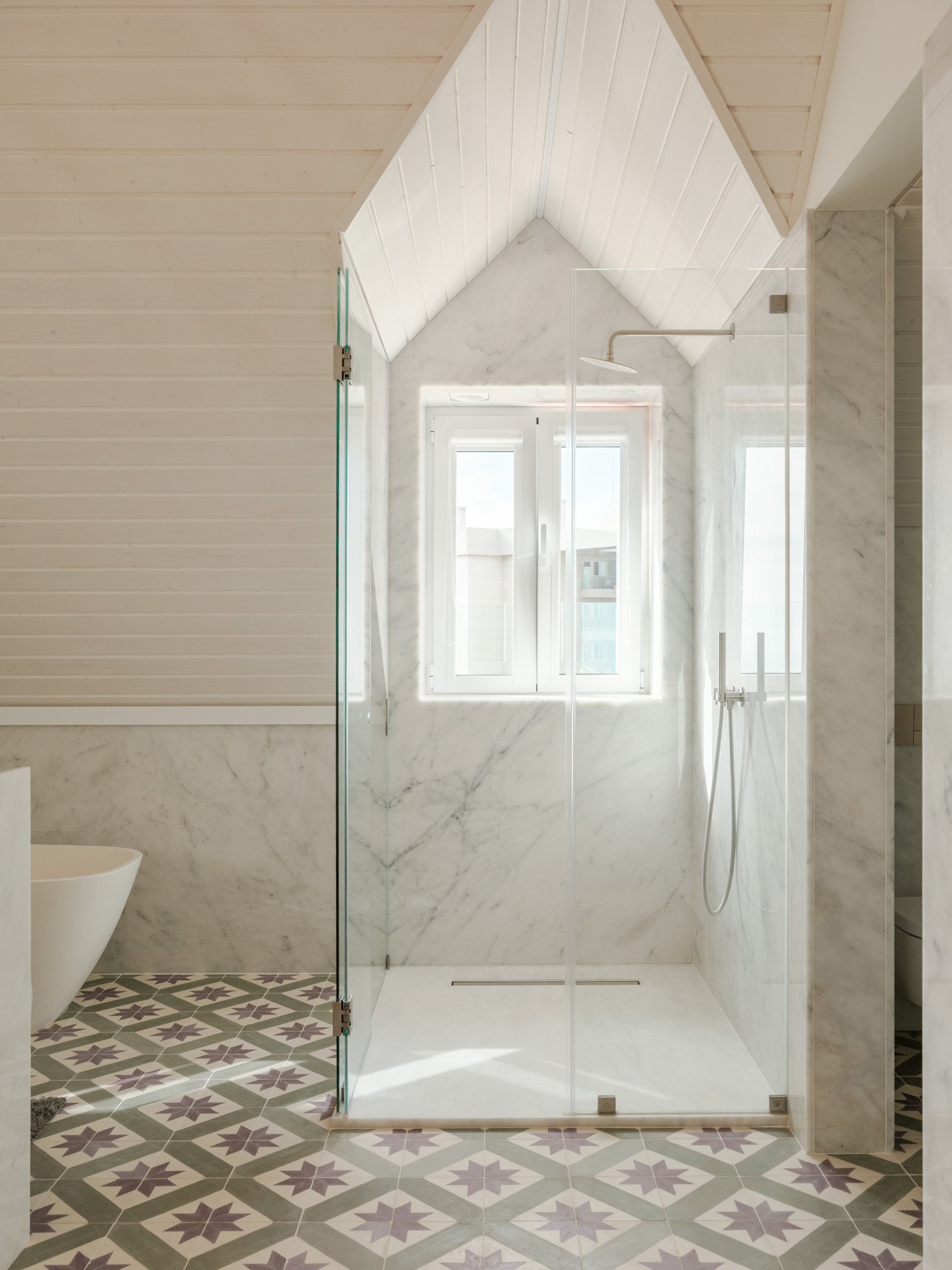
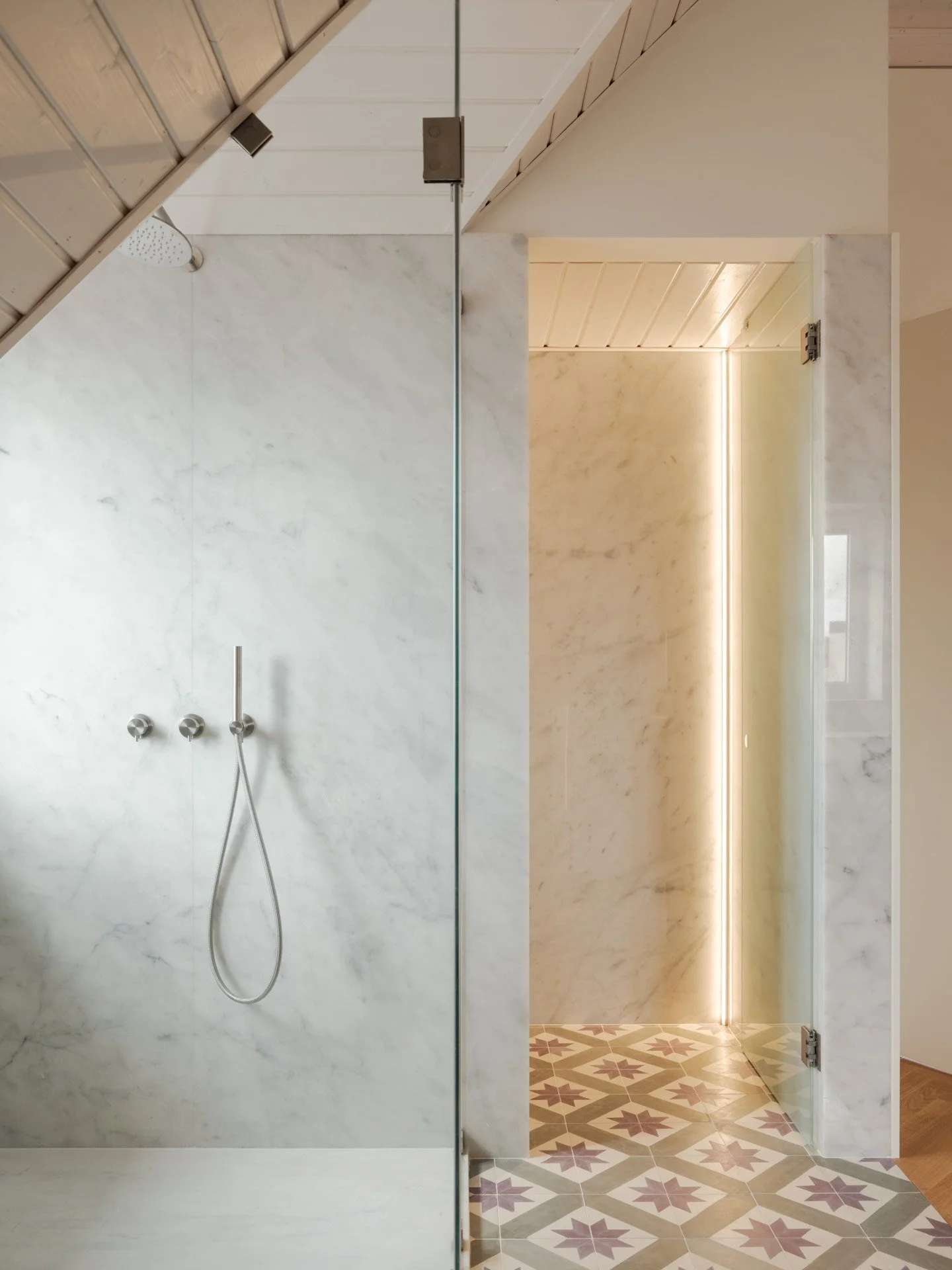
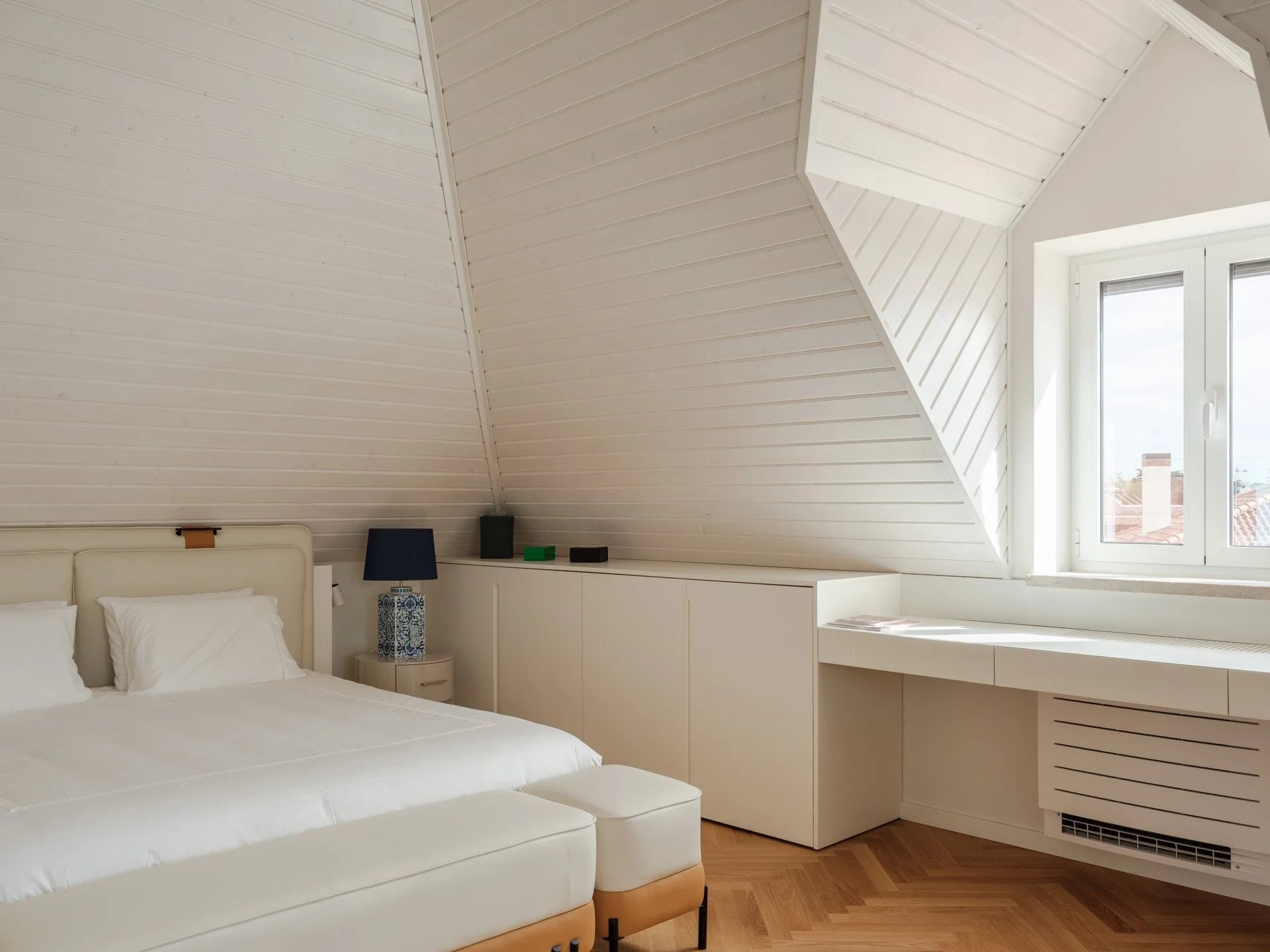
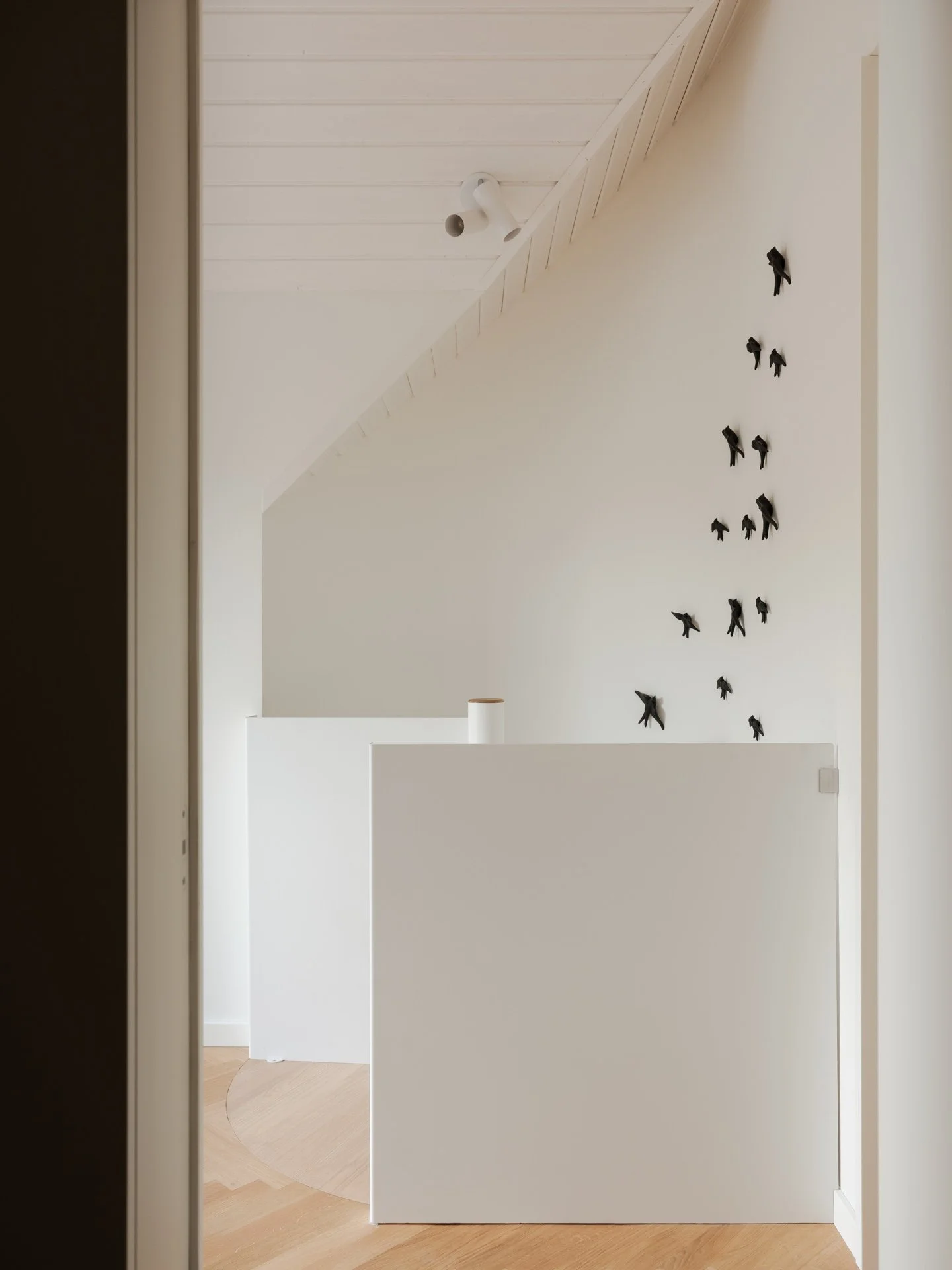
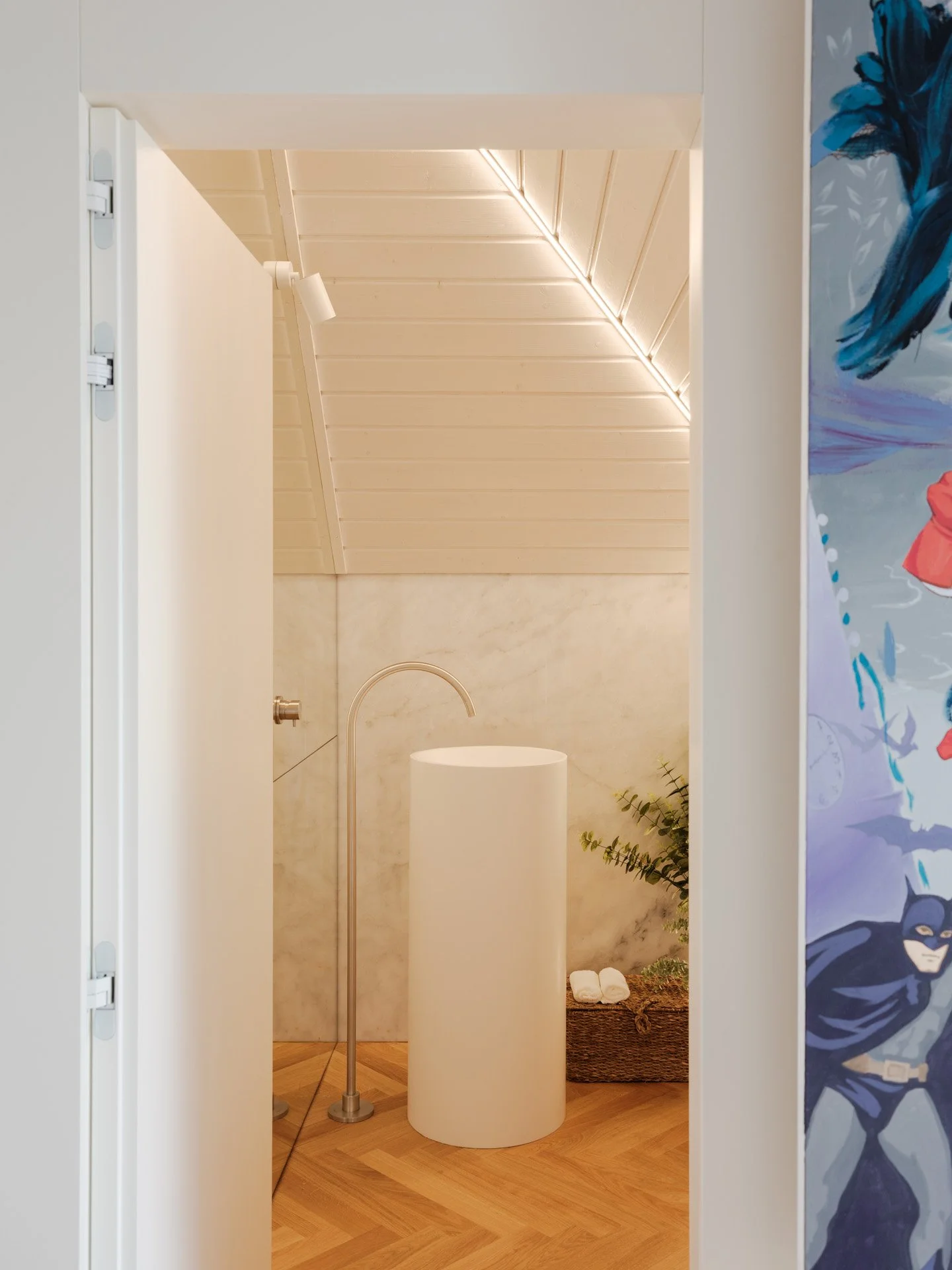
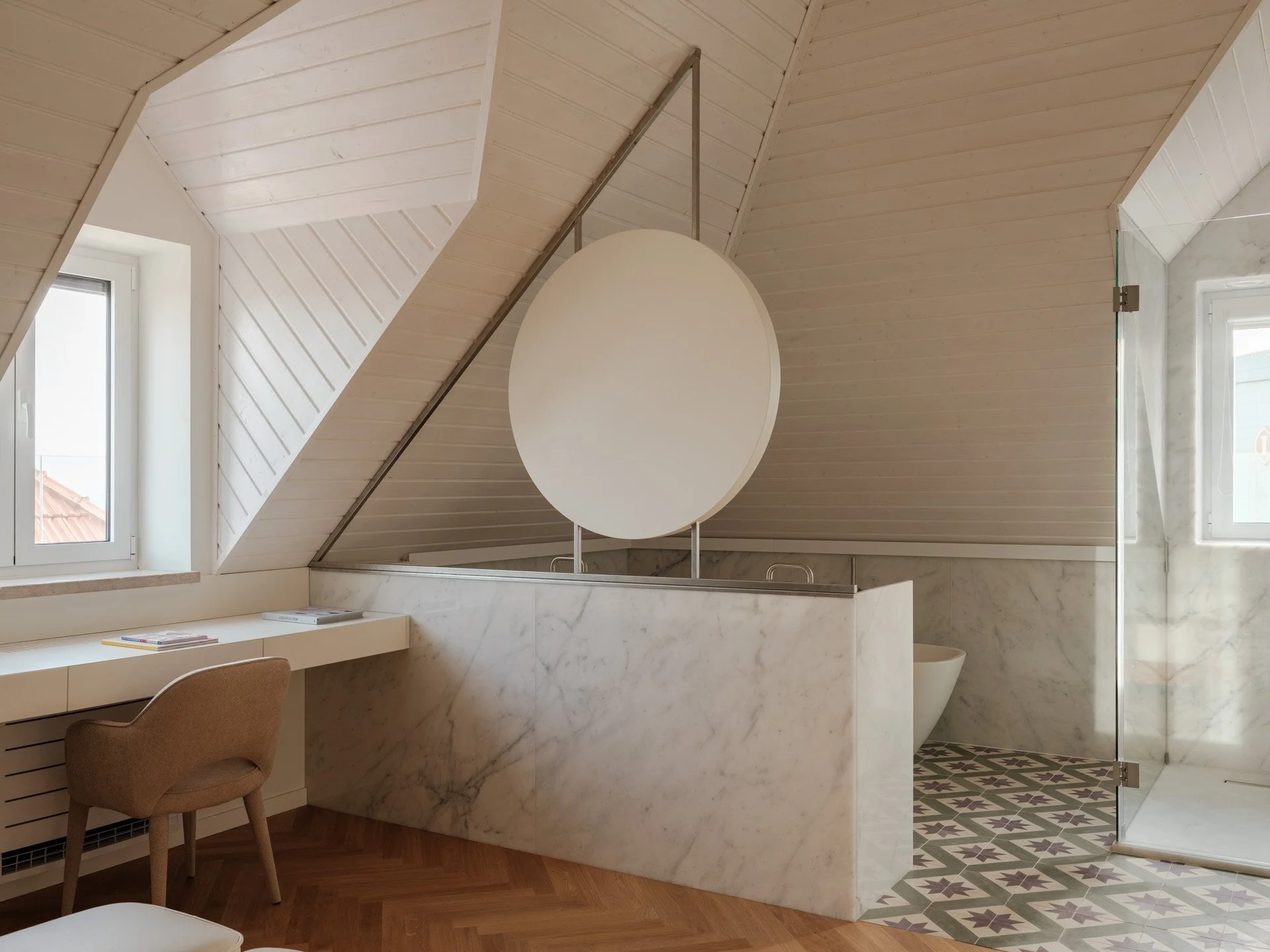
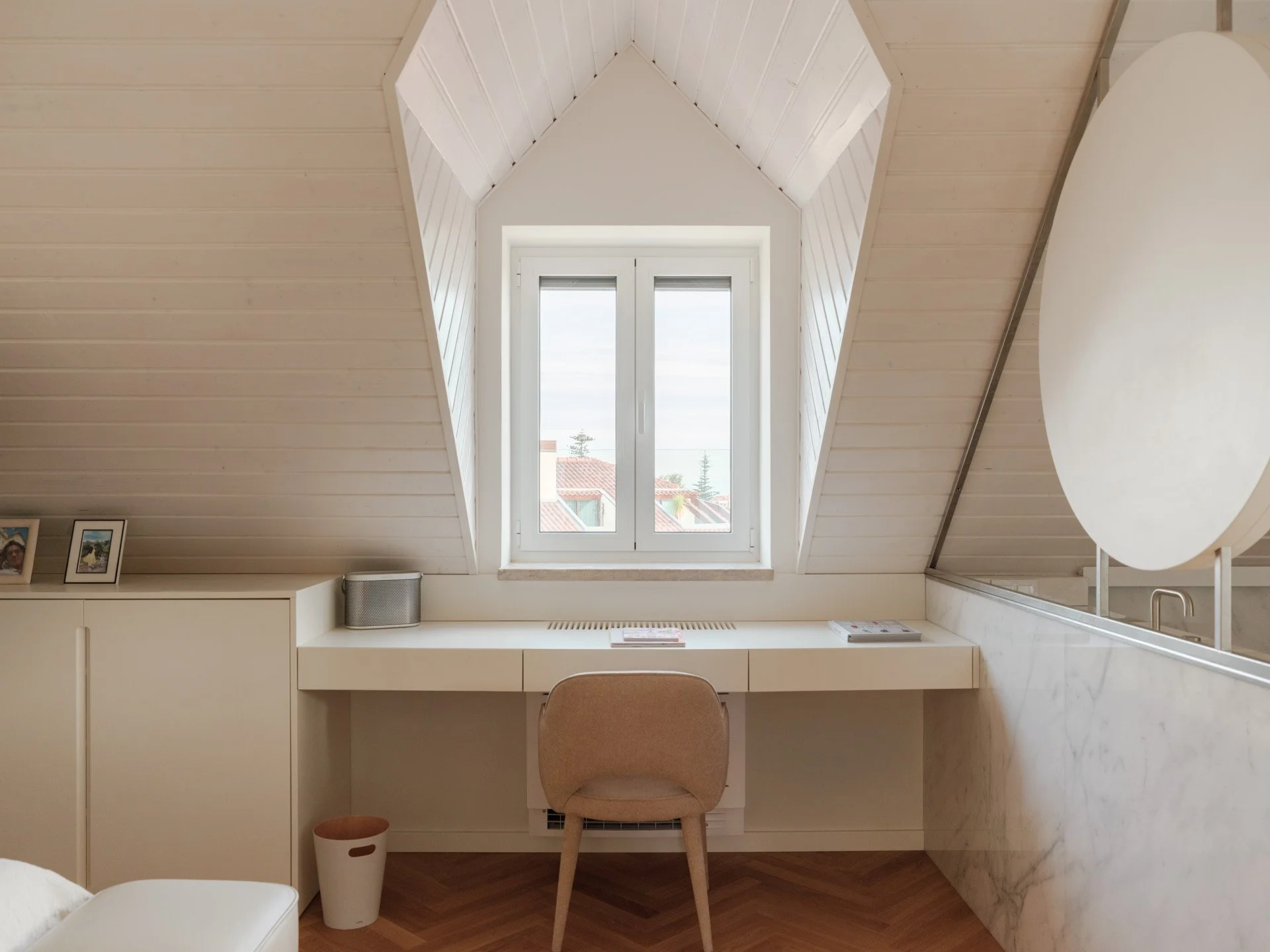
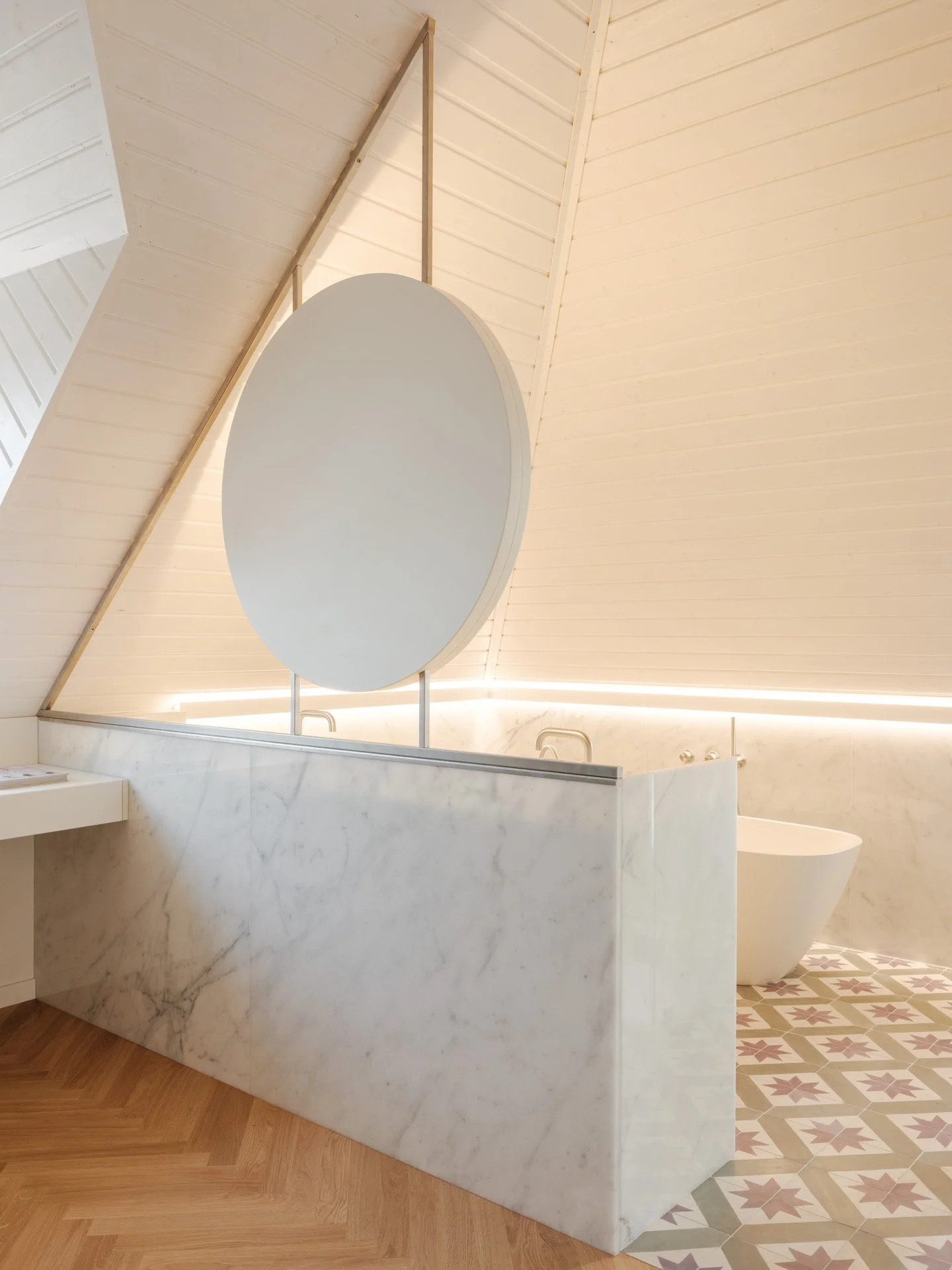
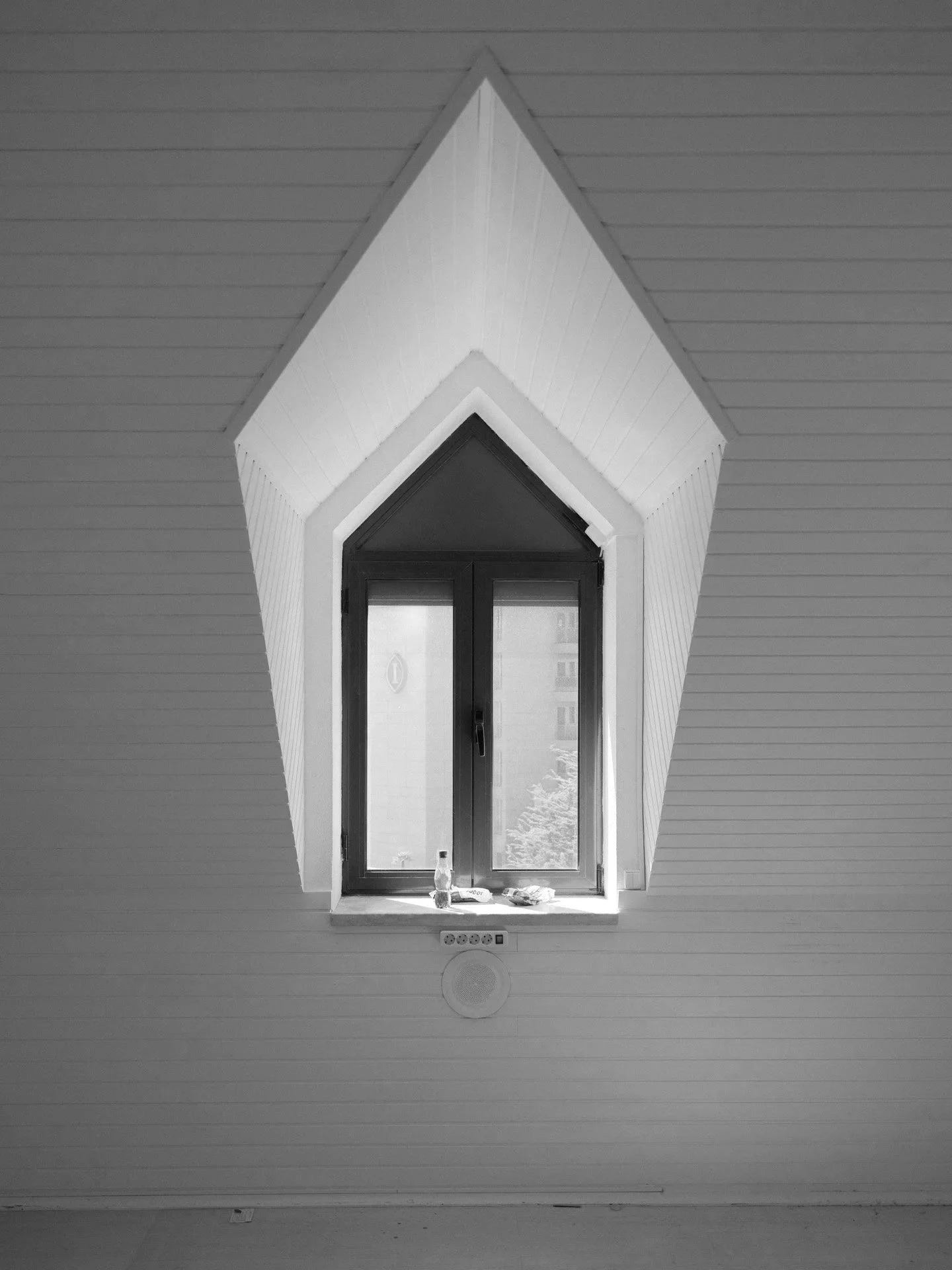
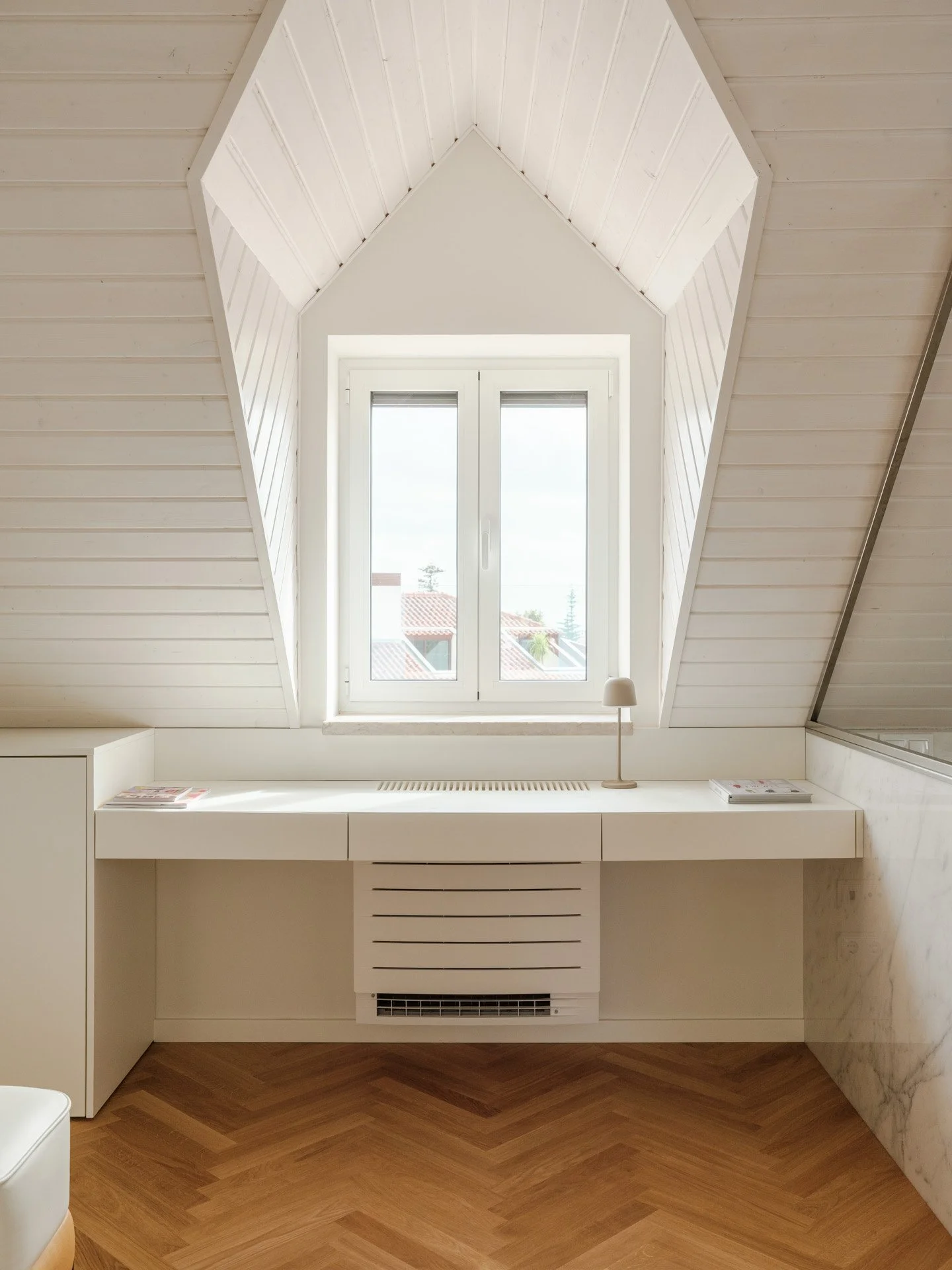
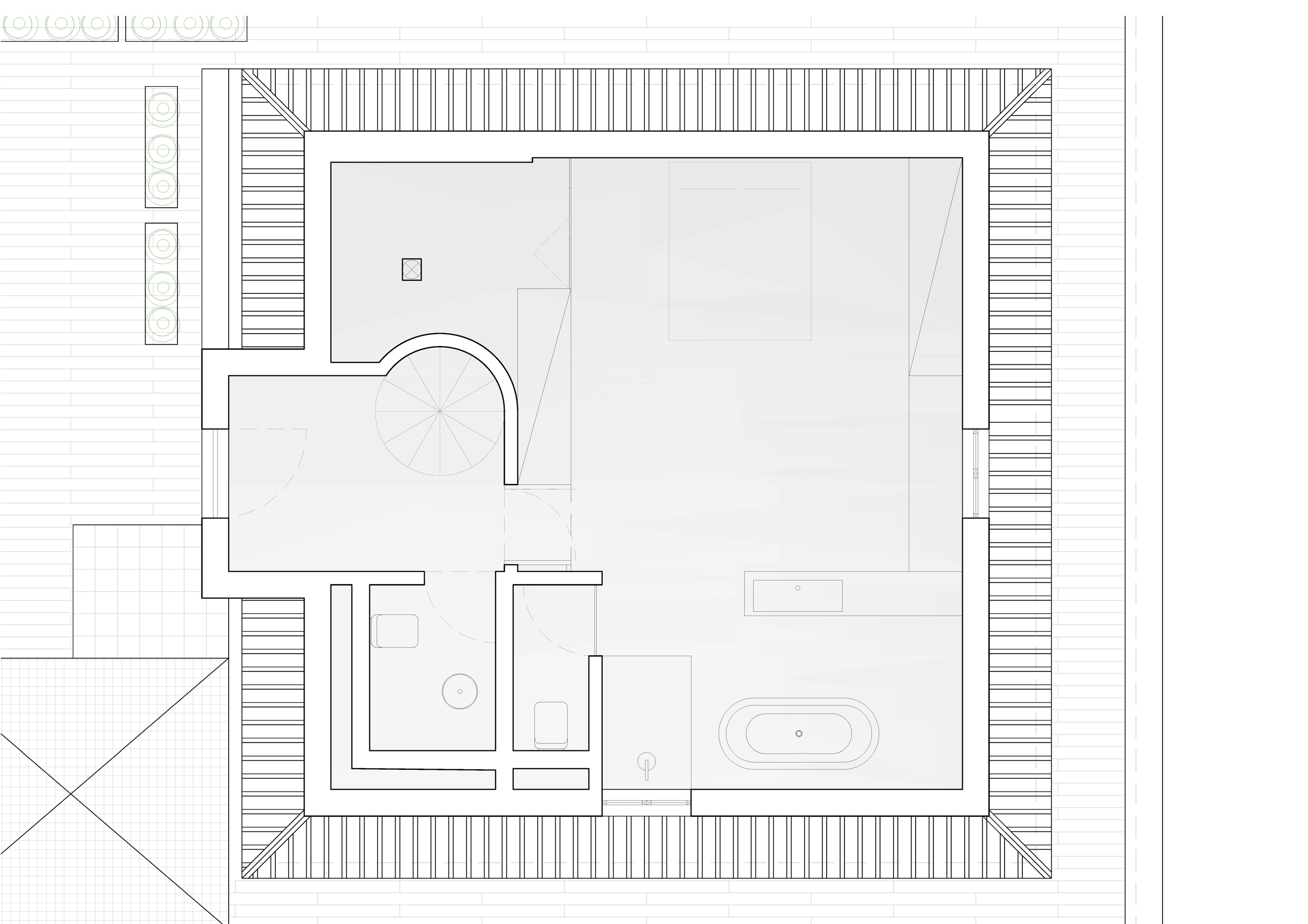
Climbing the new white metal staircase, you reach a transition area to the terrace, where a guest bathroom is integrated into the sloping roof. The master suite takes advantage of the interior height variations typical of attics, creating distinct environments for promotion of wellbeing, rest, and contemplation, always in direct relation to the outside landscape.
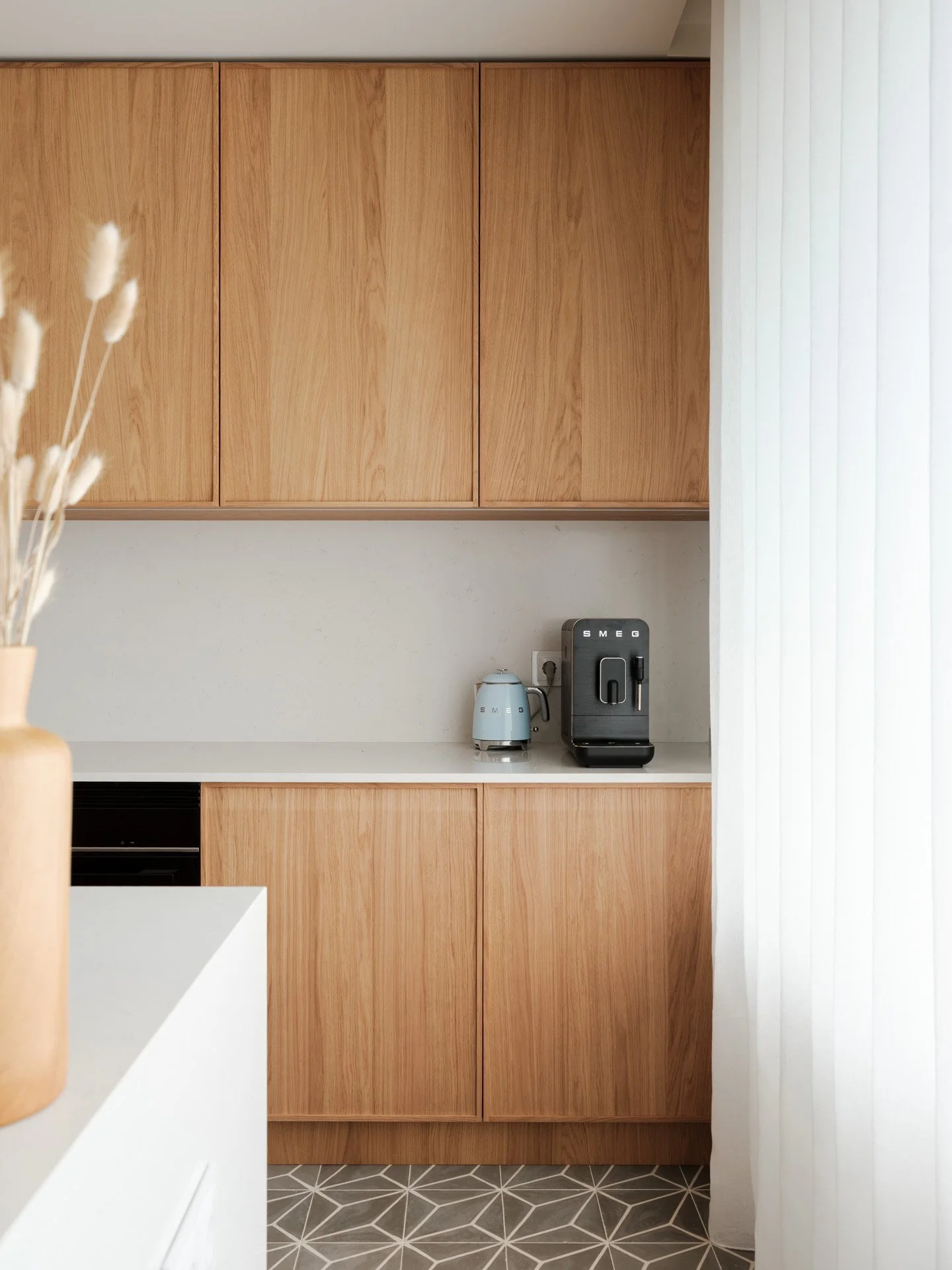
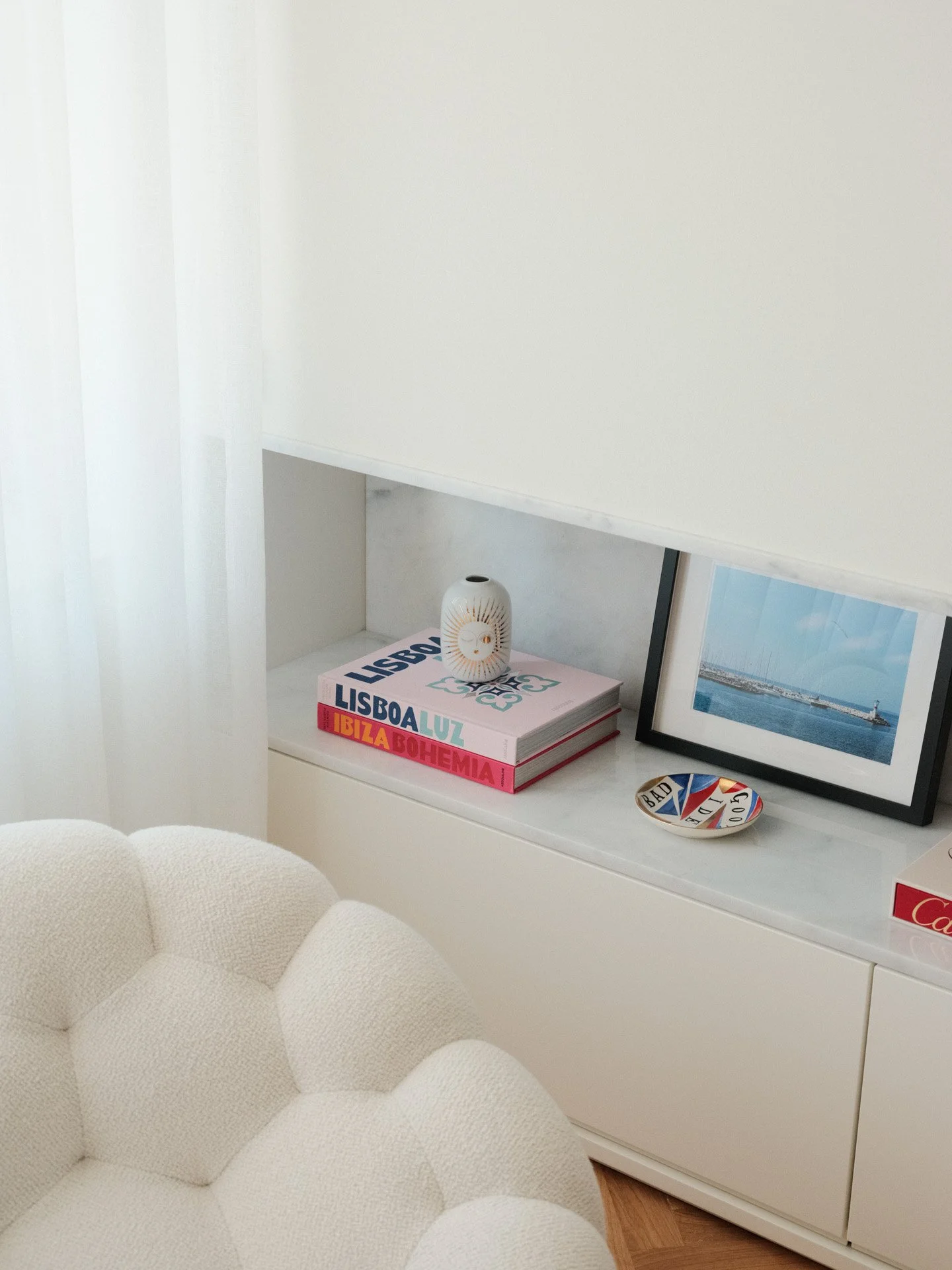
The materials selection favored noble elements such as natural marble stone, hydraulic mosaic, and oak wood, reinforcing the comfort and aesthetic quality of the interior spaces. The lighting was also carefully designed, ensuring that each environment was unique, balanced, and welcoming.
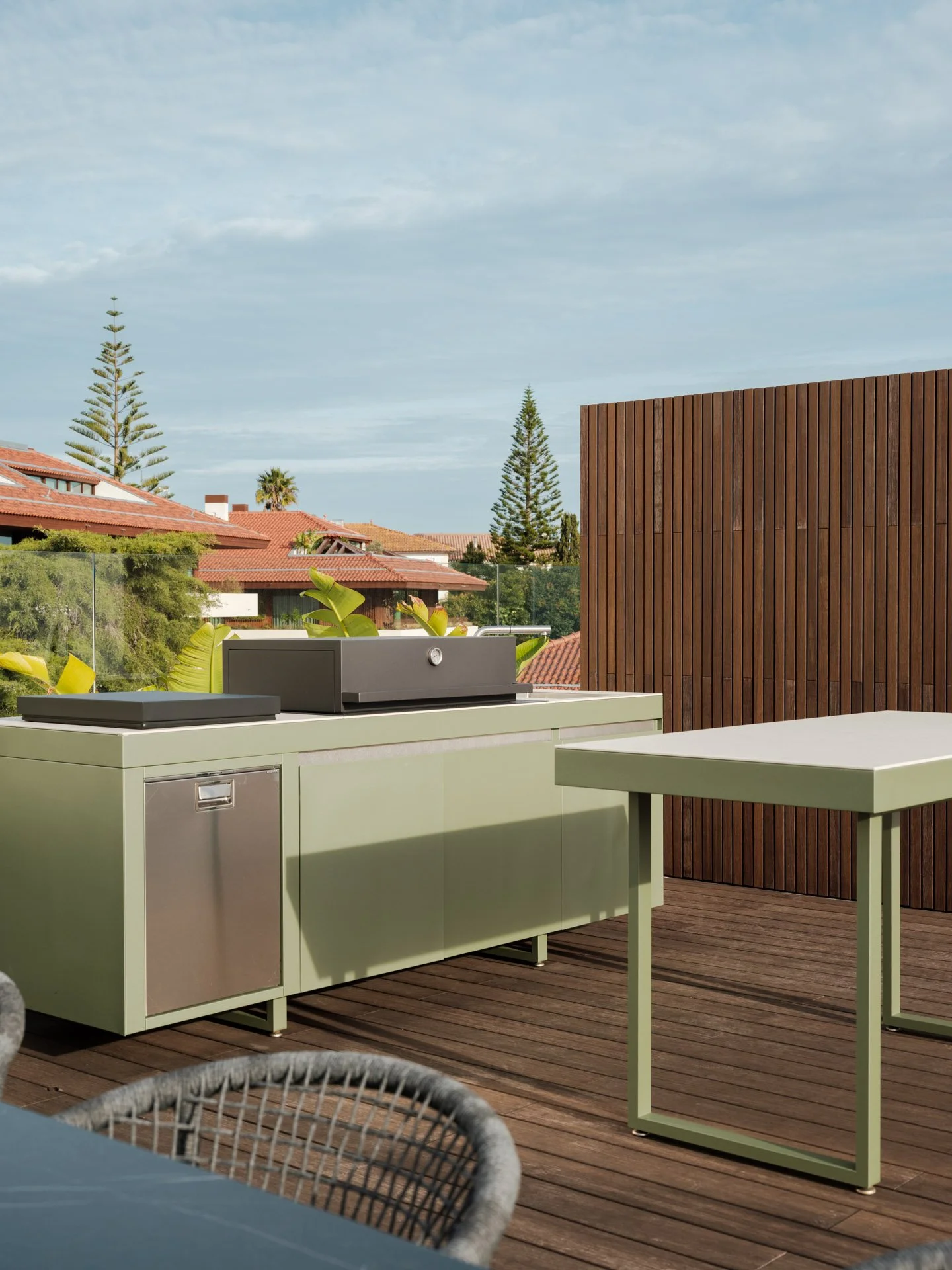
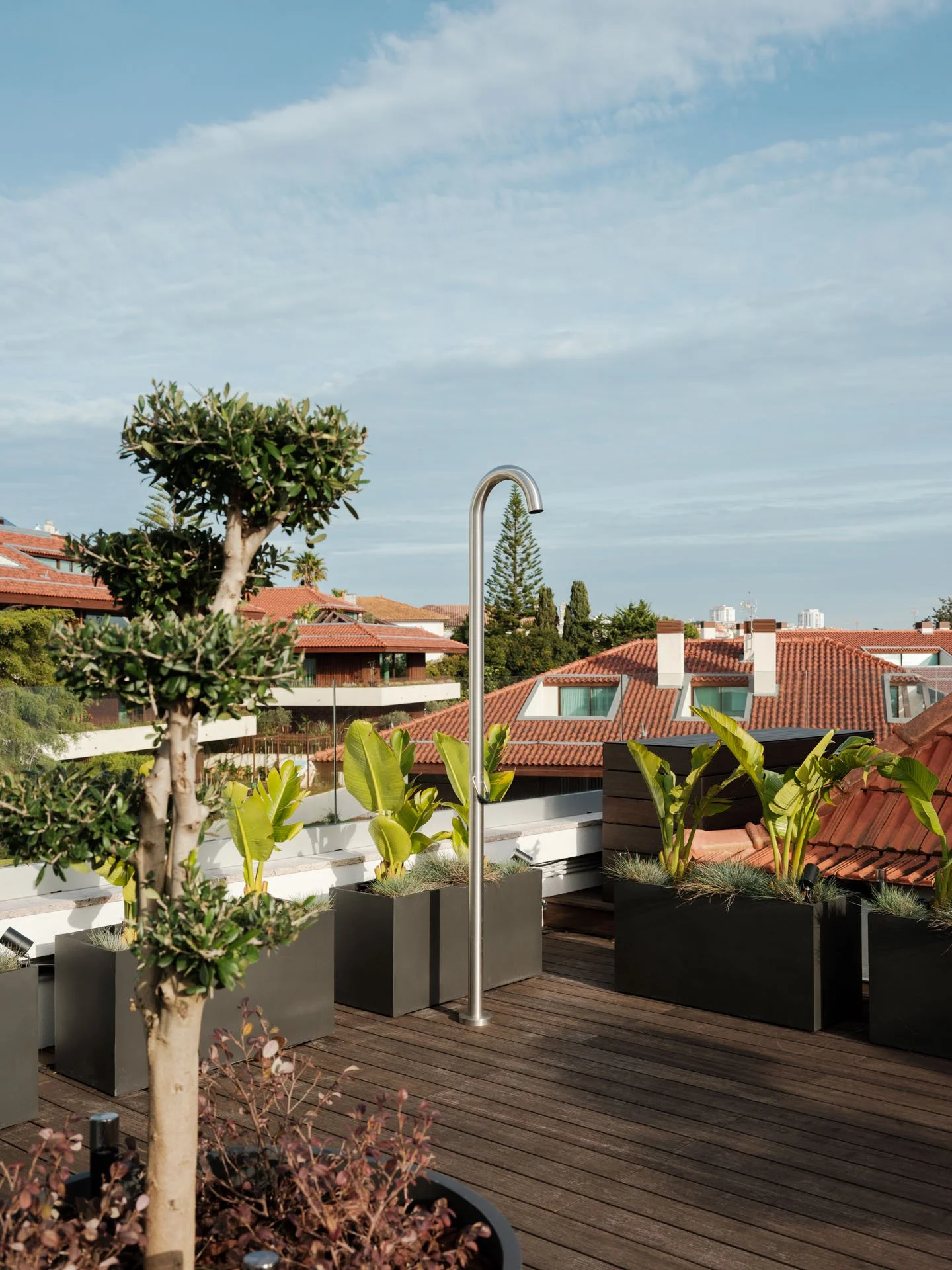
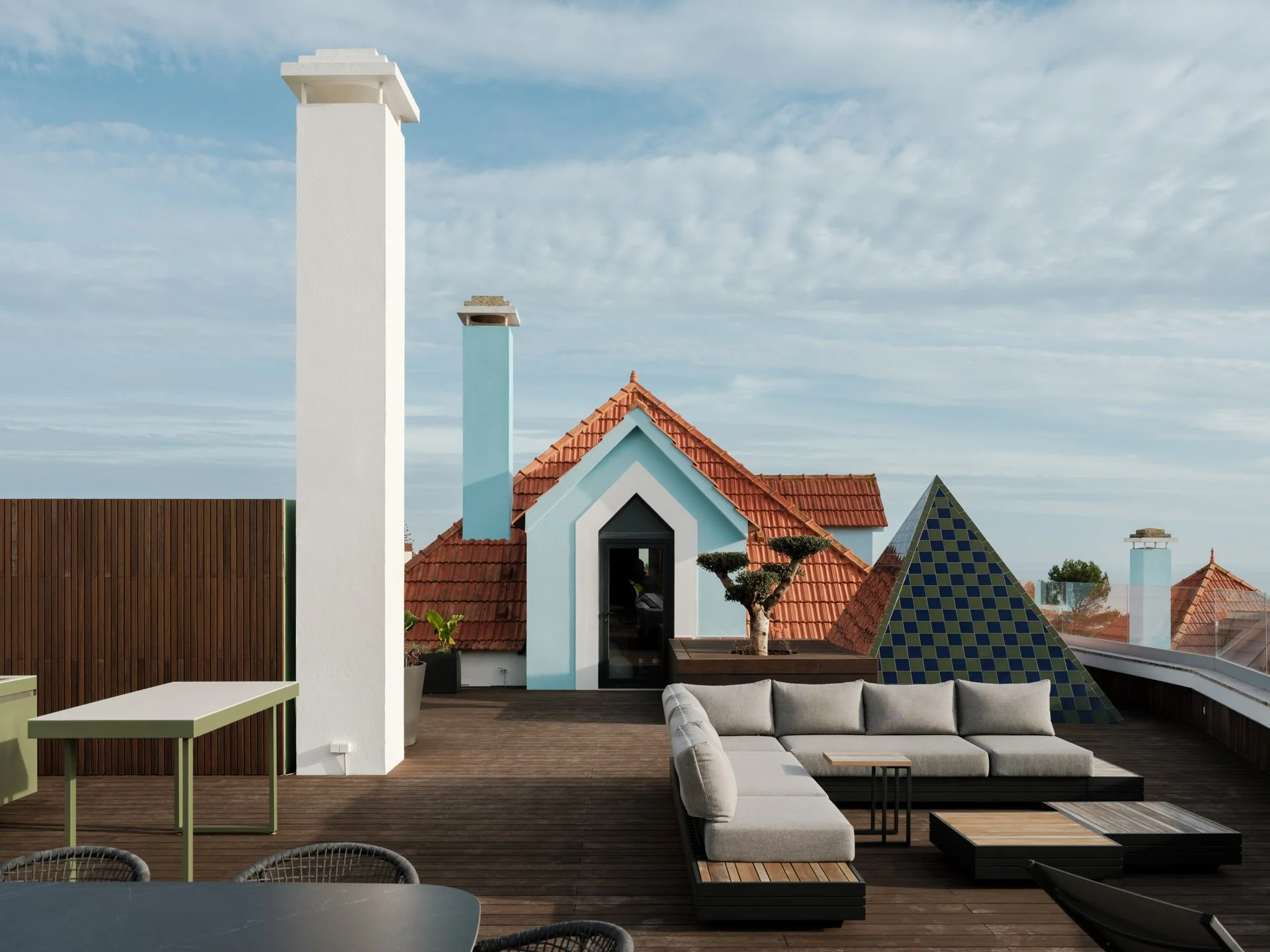
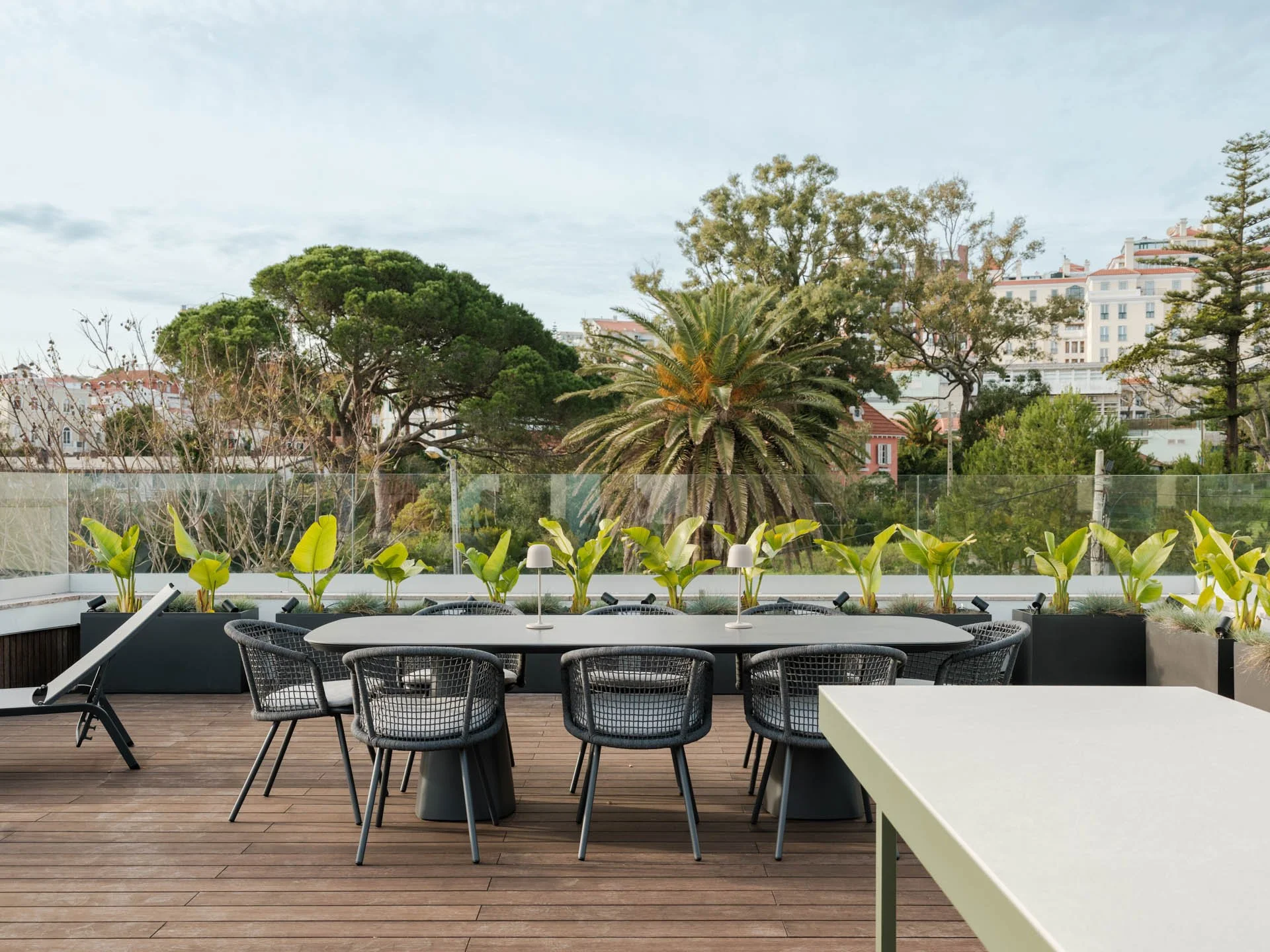
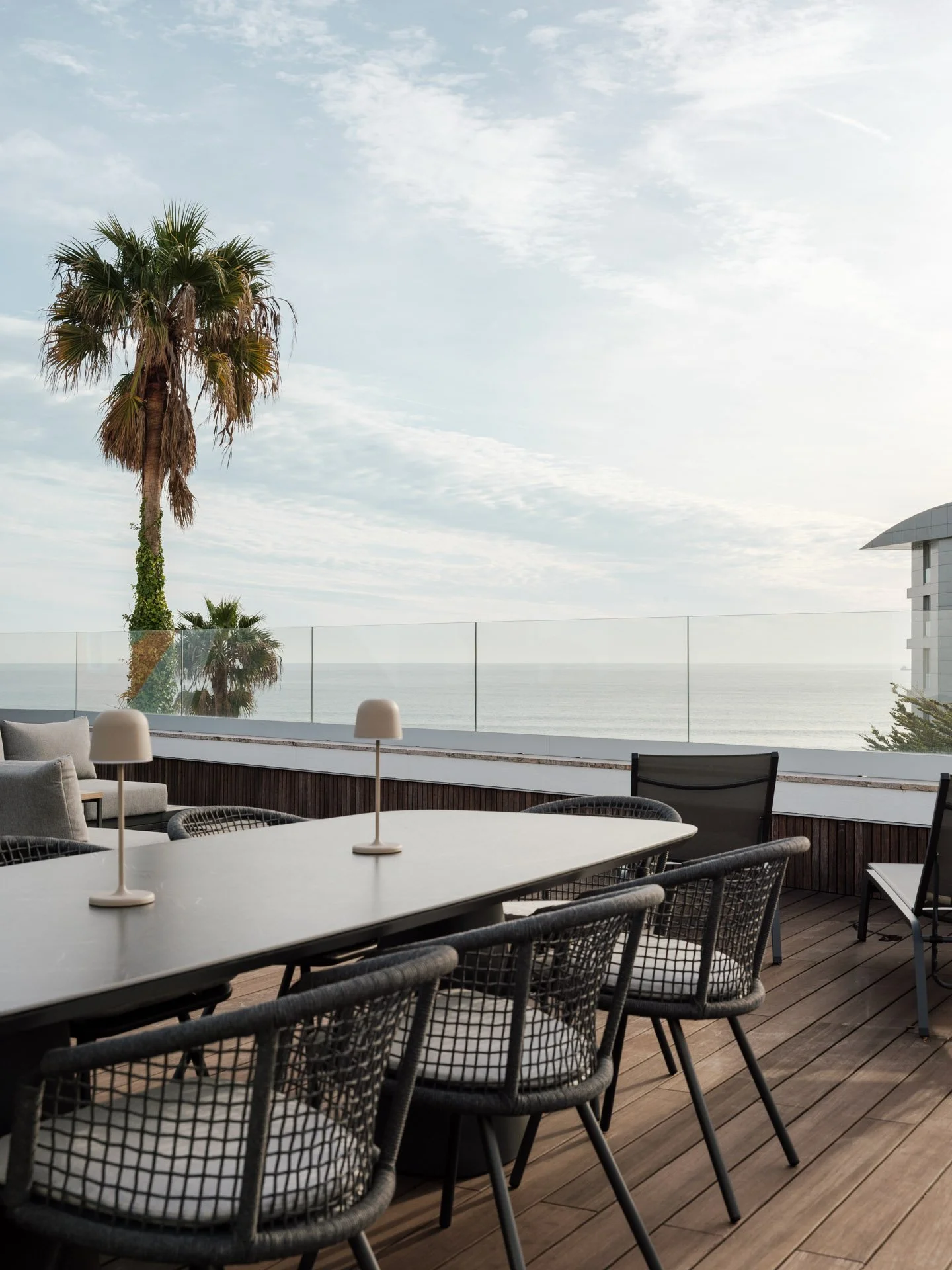
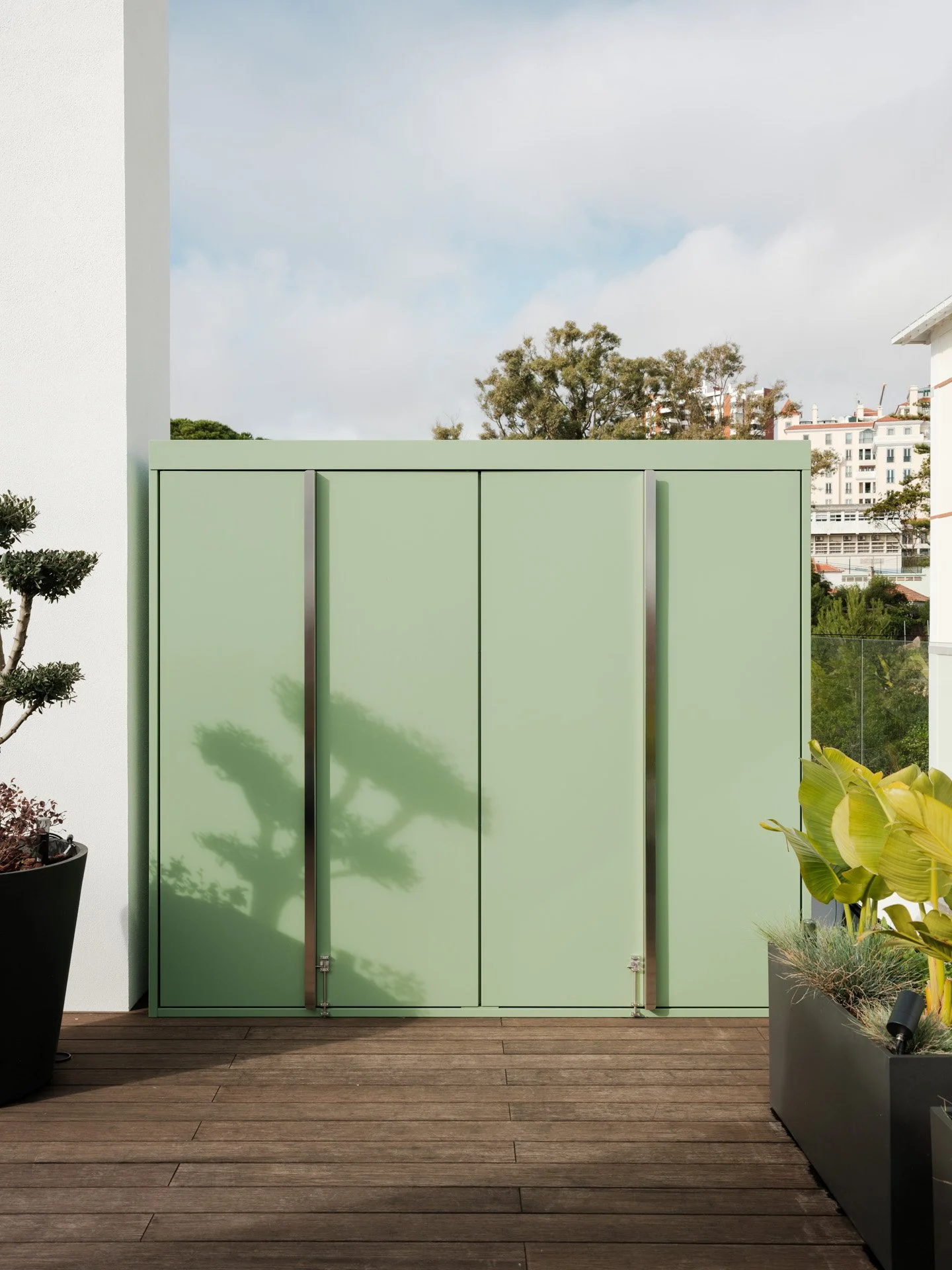
Outside, the terrace proved to be an area with great potential. It underwent careful renovation, with new flooring and the creation of different areas for sitting, outdoor dining, and laundry, using a larger-scale element that also functions as a partition. The choice of vegetation and decorative elements sought to maintain a harmonious relationship with the surrounding context, without competing with the sweeping view of the coastline.
From fragmented spaces and limited experiences, a new identity emerged that values natural light, materiality, and detail, promoting coherence and continuity among all elements of the project.